Toying with some funky touch GUI icons
Toying with some funky touch GUI icons
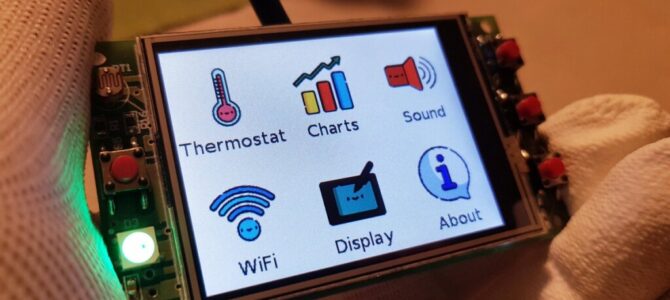
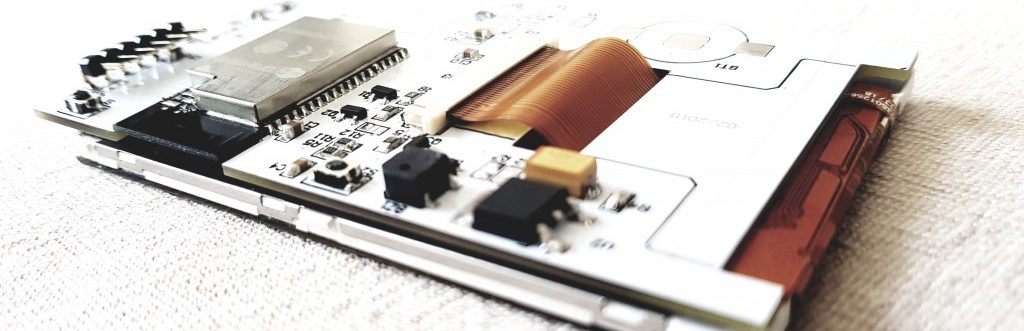
Toying with some funky touch GUI icons
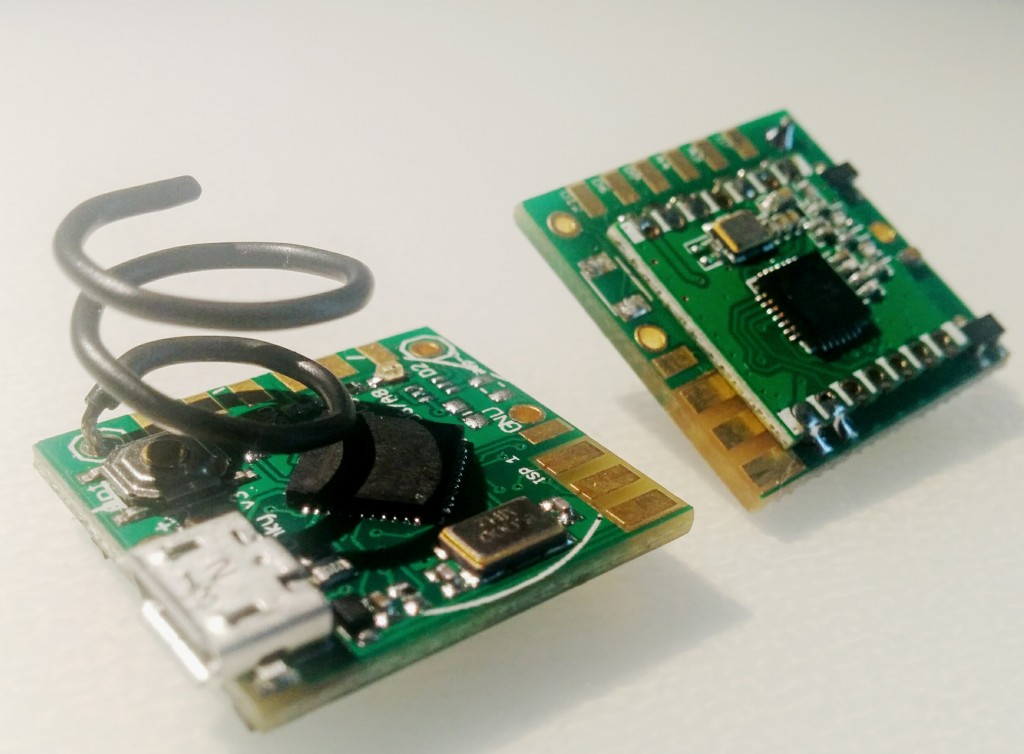
FOTA for the ATmega32U4 + RFM69 without external flash – the dual-bank trick that Moteino solves with a flash chip, done without one.
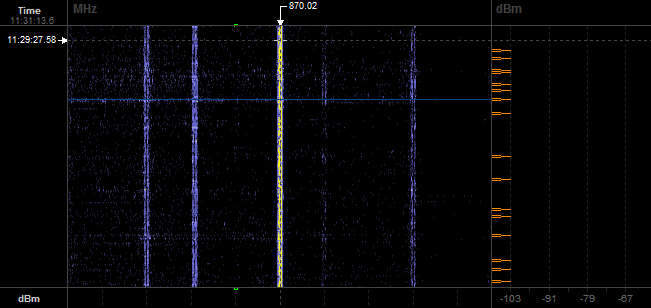
Poor man’s spectrum analysis with the RFM12B – scanning the 868MHz band to check how noisy my chosen channel really is.
Running the Funky v3’s RFM69CW on LowPowerLab’s native RF69 library instead of Jeelib – what changes and what you gain.
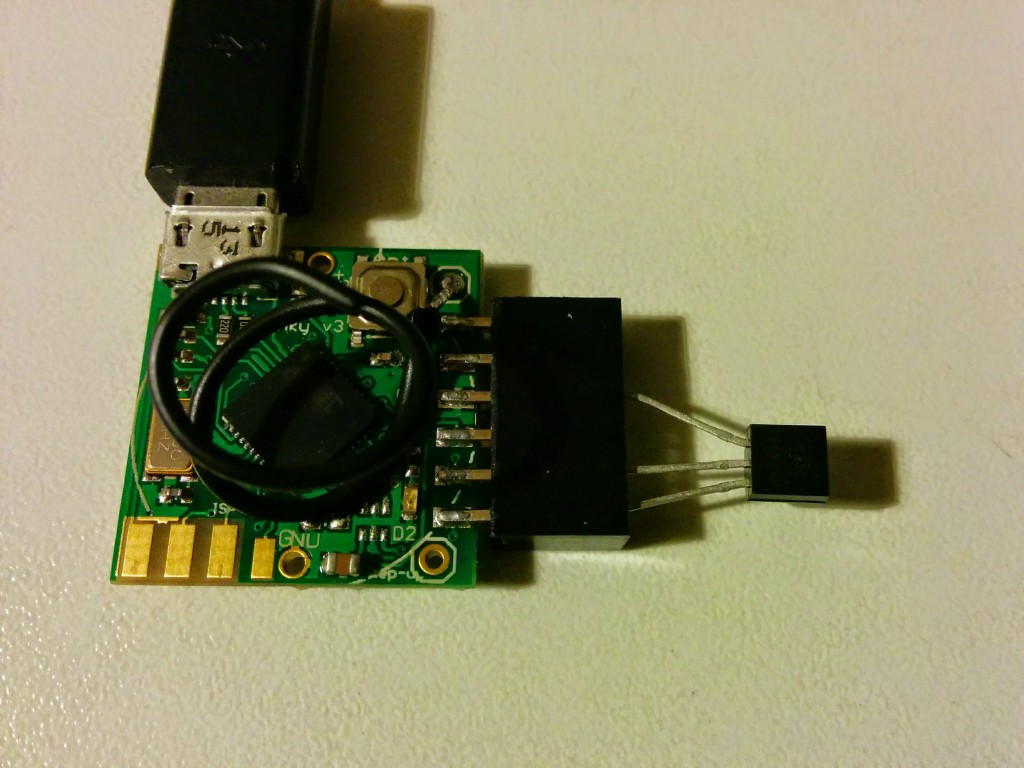
Testing a 4-line OneWire library change that lets the DS18B20 run off internal pull-ups – no more pesky external 4.7K resistor on SMD boards.
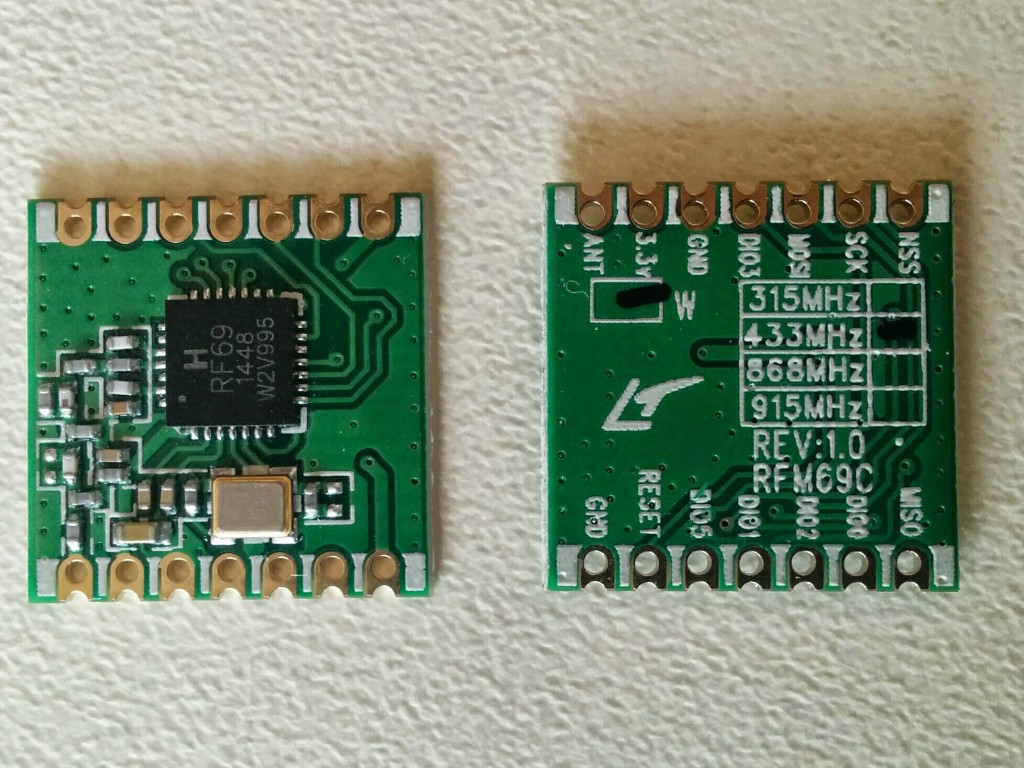
Swapping the RFM12B for the pin-compatible RFM69CW – +30% range and better sensitivity for roughly the same price.
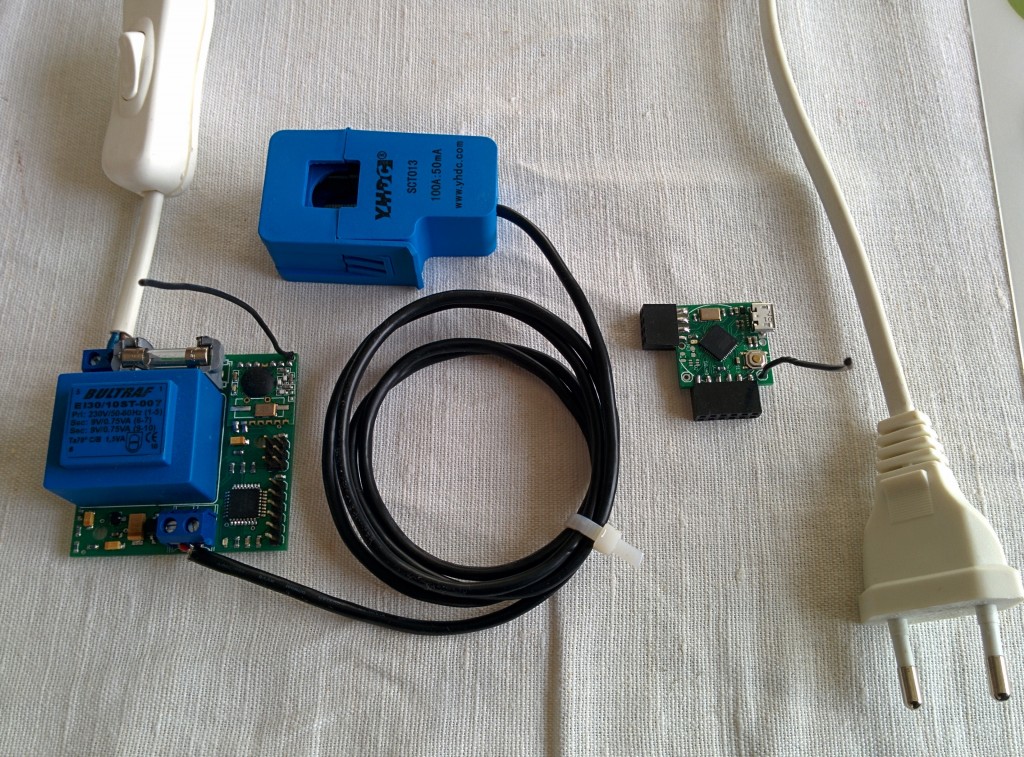
Funky v3 and YAPM Eagle design files are now on github – a tiny low power wireless Leonardo and a cheap power monitor, free to build.
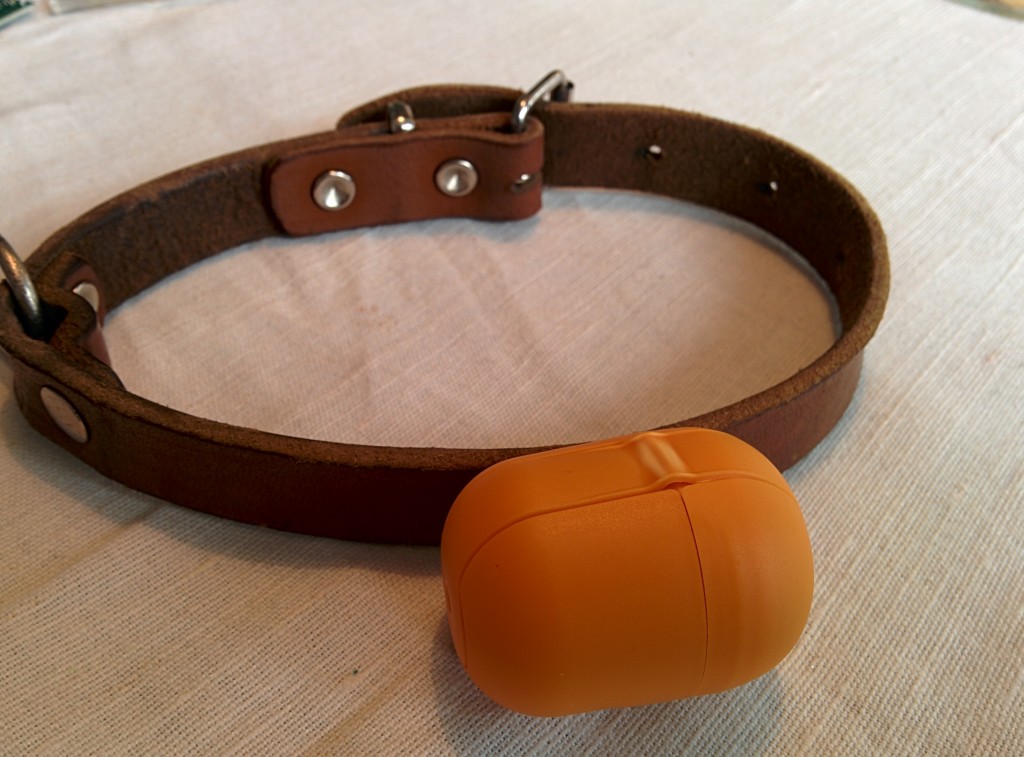
My dog turns out to be an excellent motion sensor – correlating her barking on the DVR with alarm events, 25km from Sofia.
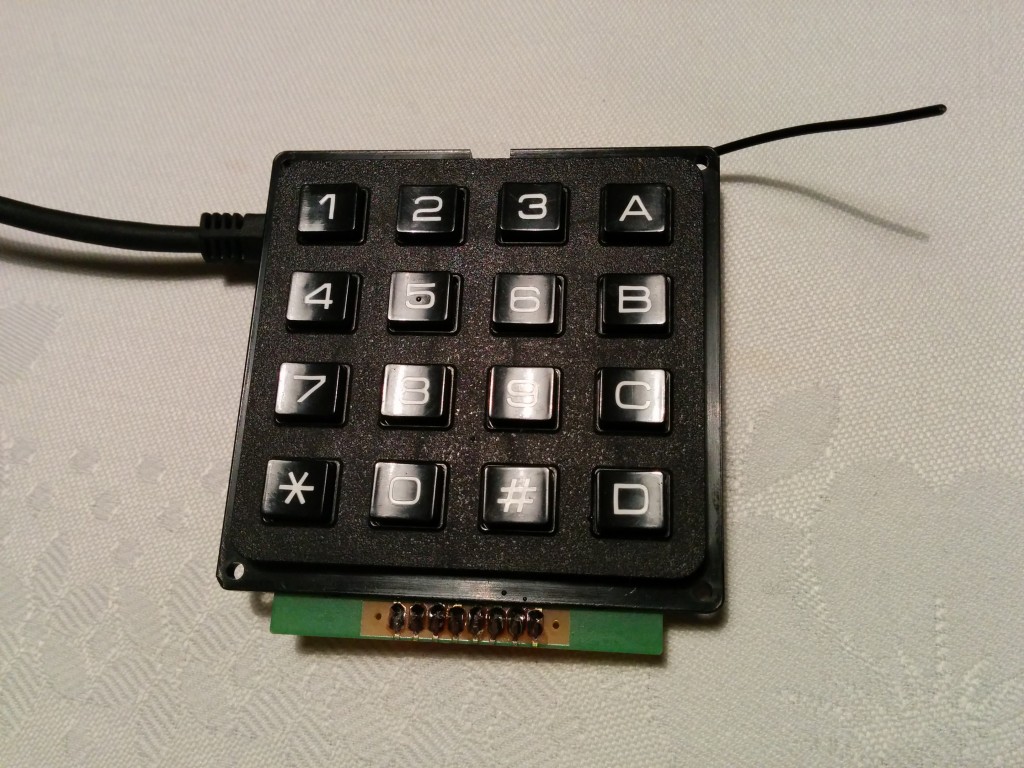
Turning a matrix keypad into a USB keyboard with the Funky v2 – convenient numeric entry for a few projects in the pipeline.
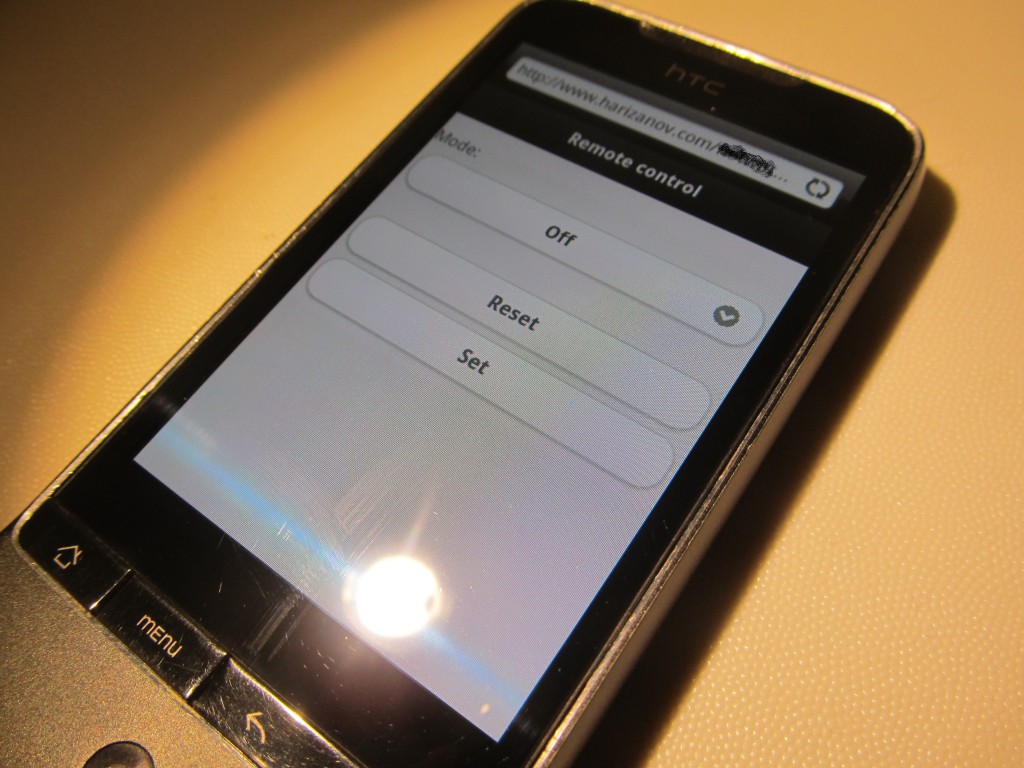
Hot water tank controller part 2: code finalized, a week of runtime, and a small HTML page driving it through an emoncms.org feed.
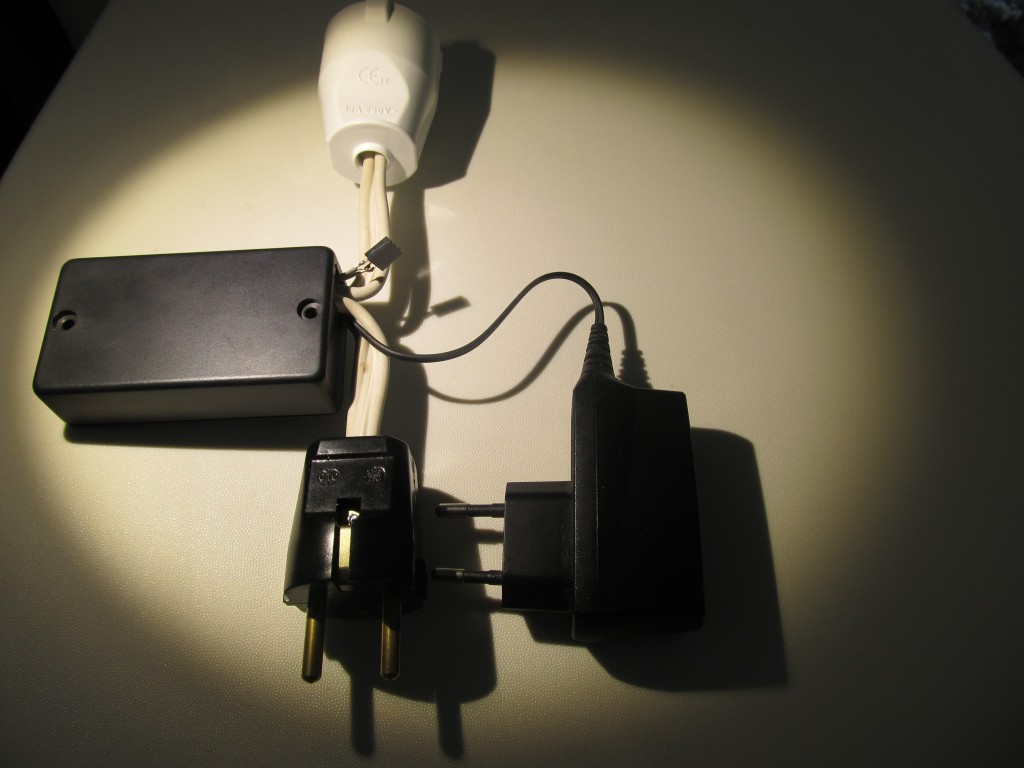
A smart IoT controller for my solar hot water tank – mode switching (manual/auto/anti-freeze) driven by an emonCMS feed.
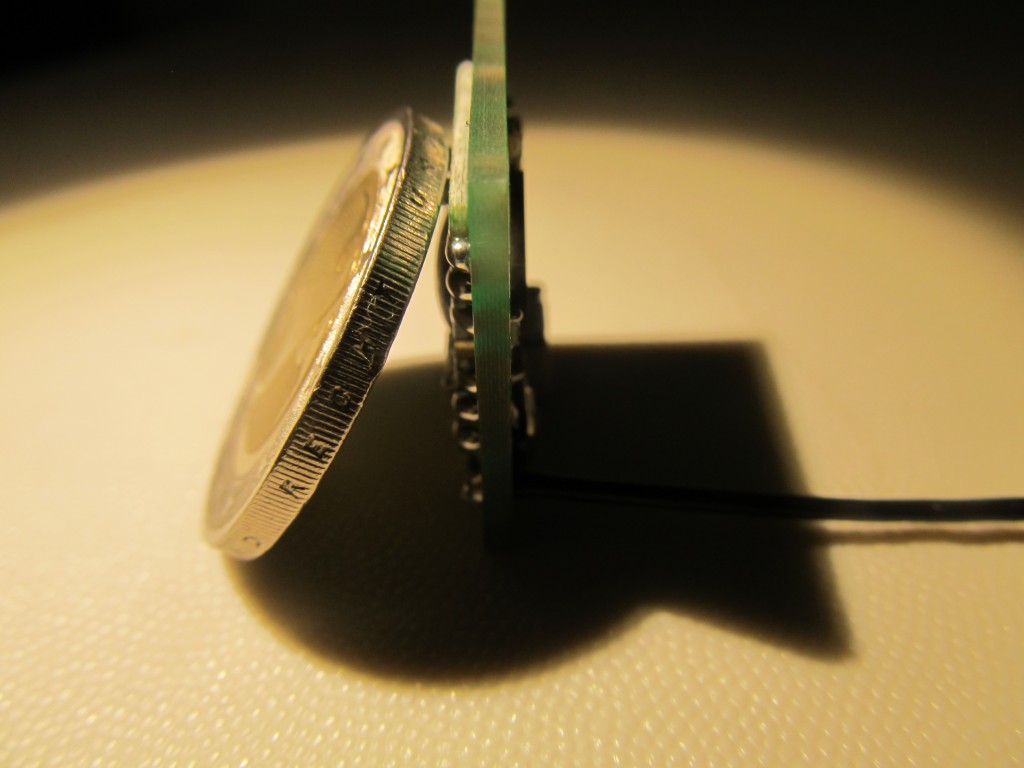
Funky v3 PCBs populated and briefly tested – double-row headers soldered on the test unit, first impressions of the new board.
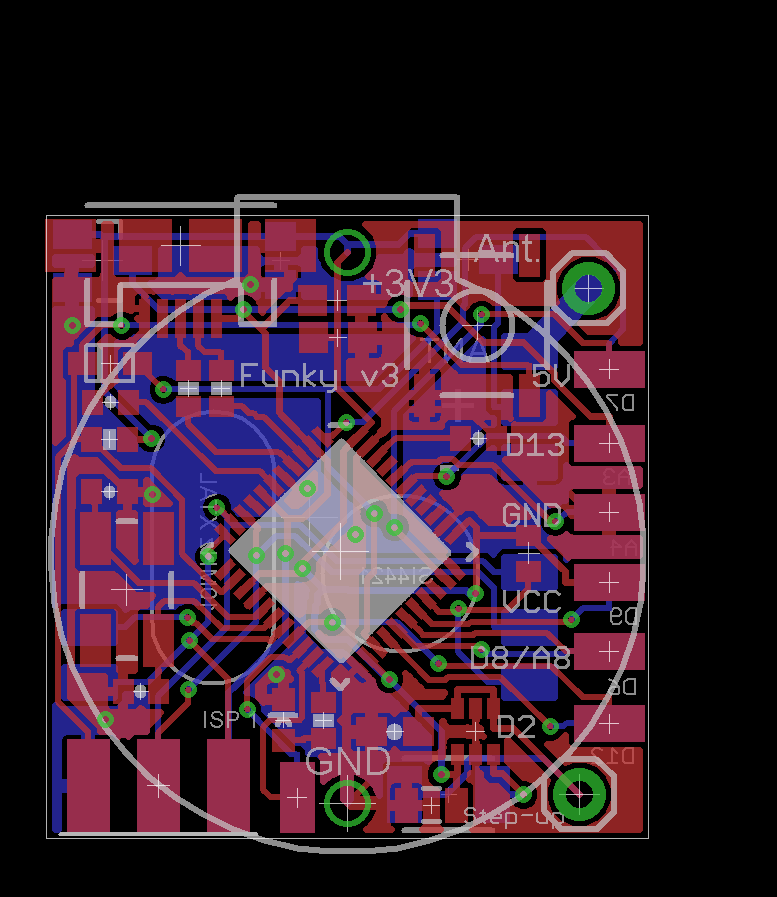
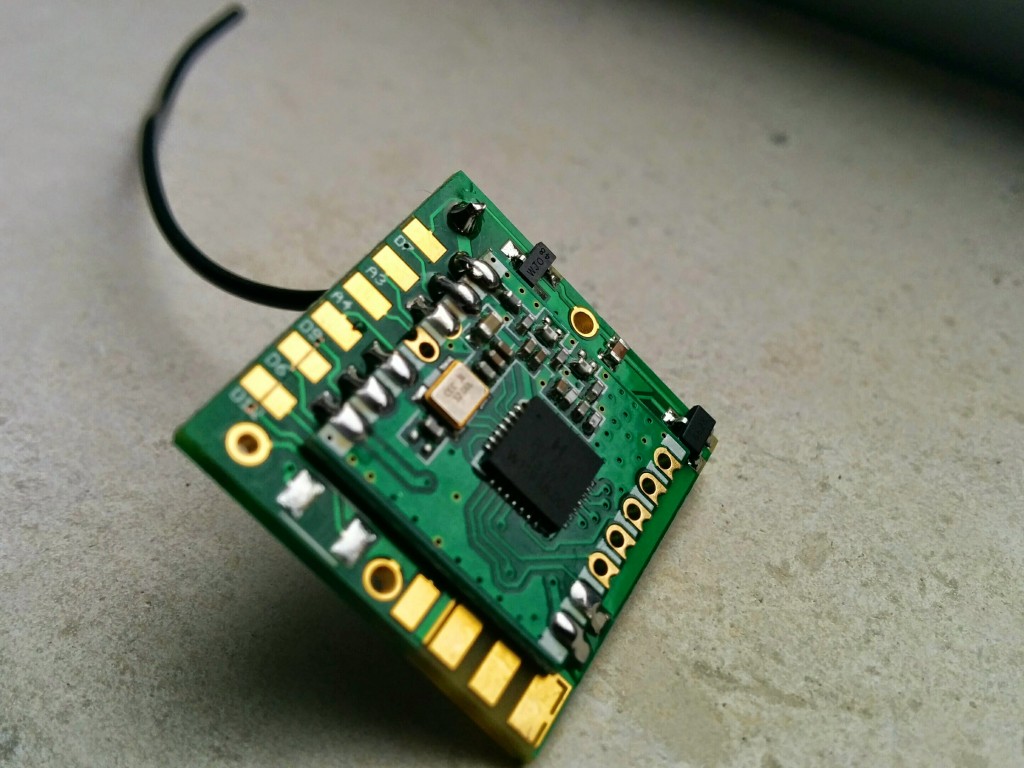
Funky v3: a major reshuffle of the v2 board routes 8 more pins (D9, D7, D12, D6, A3, A4, D0, D1) to pads in the same tiny form factor.
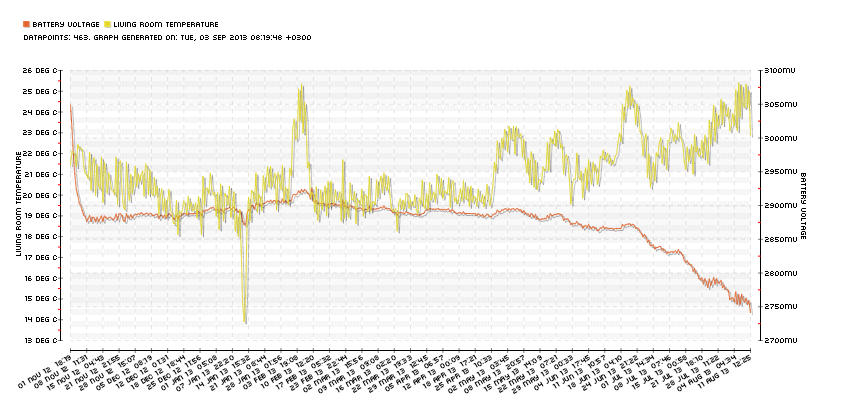
9 months and 10 days on one CR2032: the discharge pattern of a coin cell powering a Funky v1 + DS18B20 room temperature node.
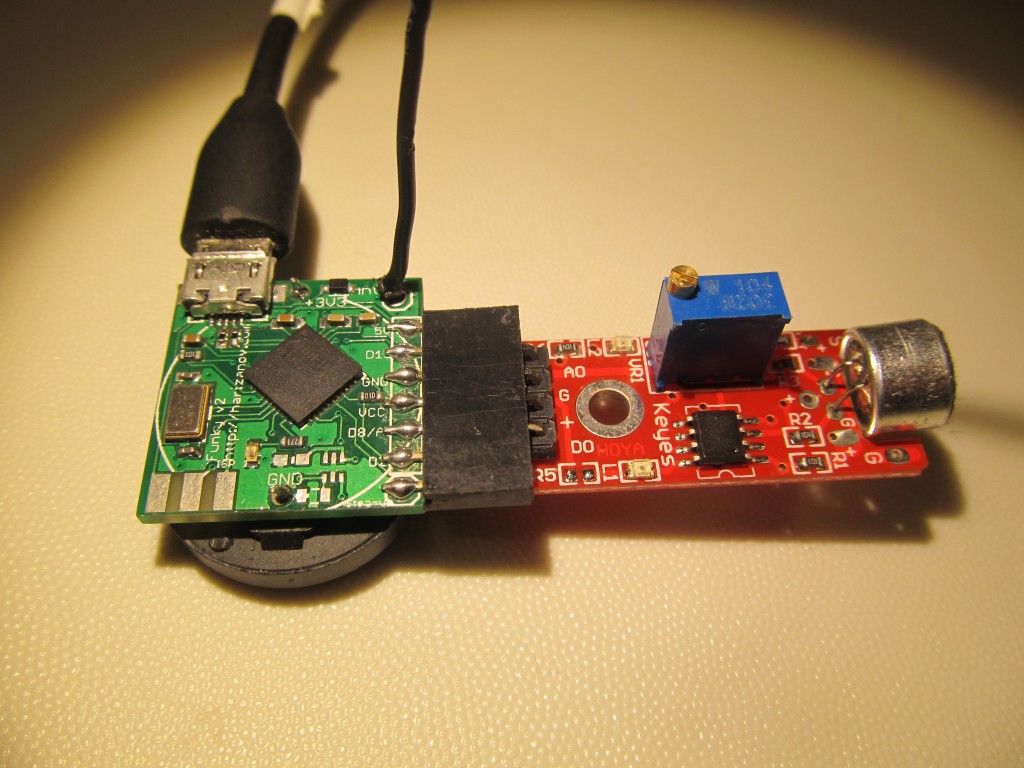
Clap-controlling RF power sockets with a Funky v2 and a cheap sound sensor breakout – silly, fun, and it works.
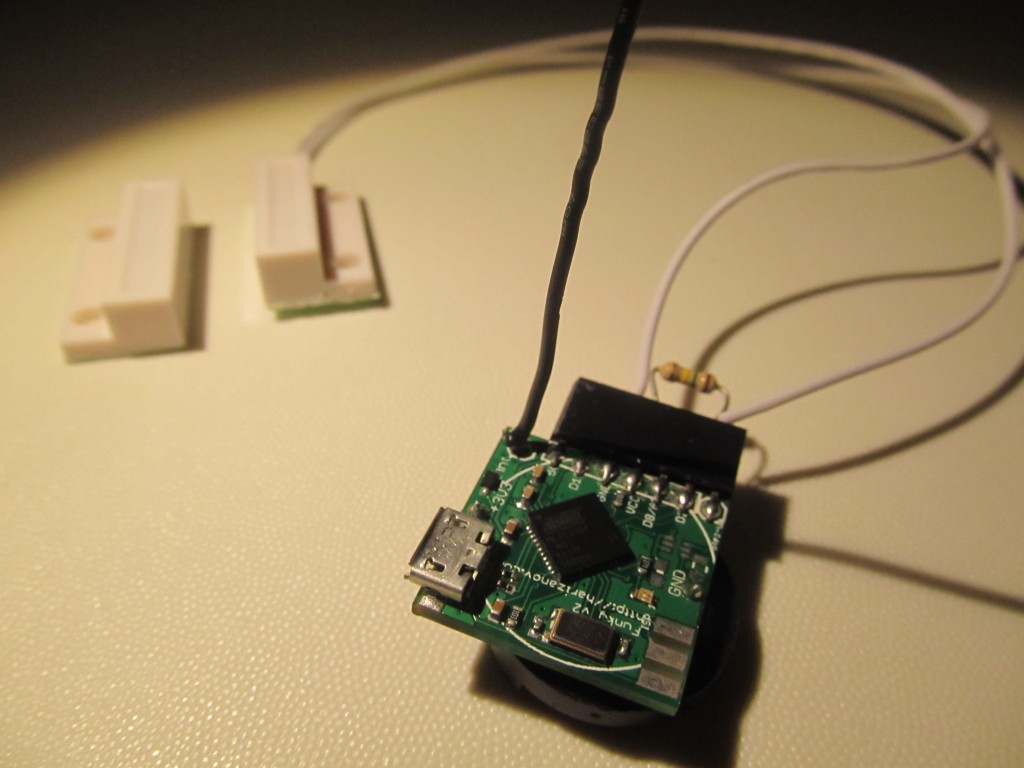
Toying with a cheap magnetic reed switch door sensor – wireless open/close events for doors and windows via a Funky.
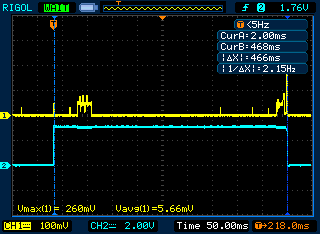
Every μA counts on battery powered wireless nodes – the hardware and software tricks I use to keep sleep current microscopic.
Non-contact AC detection with a 1M resistor and a wire antenna – testing insideGadgets’ trick and learning why it works.
Trying out a Ciseco bistable/latching relay – a brief pulse to switch, zero holding current, pretty cool for battery projects.
Raw infrared to serial and back – one interface for every IR protocol my air conditioners, TVs and media gear happen to speak.
A wireless flood alarm after my father’s leaking pipe flooded his place for days and cost thousands of Euro – cheap insurance.
Funky v2 revision 2 adds a reset button – no more unrecoverable boards when a sketch disables USB to save power.
A wearable wireless body temperature monitor for sick kids – remote logging plus a bedside status display with an alarm.
Adding an analog clock face to my OLED status display, plus a bitmap thermometer tracking the solar water tank temperature.
Reducing RFM12B transmission power to stop overloading nearby receivers – better link quality and lower battery drain.
Encoding temperature as RGB LED color – read the solar hot water status from across the room, no display needed.
Cutting the DS18B20’s 750ms conversion time by dropping resolution – optimizing the sensor code for low power battery nodes.
A miniature 128×64 serial OLED as a status display for the Funky v2 – bright pixels, near-180° viewing angle, 30x28mm PCB.
A 3D printed Stevenson screen for my Funky+DHT22 – proper airflow instead of a black box with a few drilled holes and 99.9% RH readings.
7 months on the same CR2032 and the Funky+DS18B20 room temperature node is still transmitting – live chart included.
Logging body weight to emonCMS with a keypad and a coin-cell Funky v2 – punch in the scale readout, get a weight history graph.
The Funky v2 now poses as a LilyPad Arduino USB – same VID/PID, so the stock Arduino IDE accepts it without modifications.