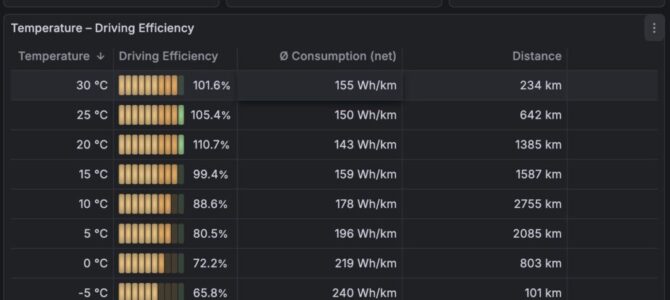
Our Tesla M3 efficiency vs. outside temperature stats for the last 10K km driven, collected using TeslaMate. No surprises here, driving at 20 °C outside is most efficient
Our Tesla M3 efficiency vs. outside temperature stats for t…
Our Tesla M3 efficiency vs. outside temperature stats for the last 10K km driven, collected using TeslaMate. No surprises here, driving at 20 °C outside is most efficient
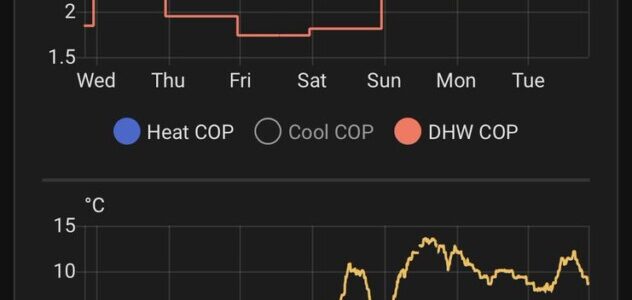
Our Mitsubishi Ecodan heat pump’s COP vs outside temperature:

Had to move a wireless outdoor temperature sensor I designed ages ago, noticed a memo inside I left for the future self with last battery change date. Still sending readings every minute since May 2018, thats 4 years and 9 months on couple AAs and still going strong. #IoT #rfm69

16°C outside temperature right now
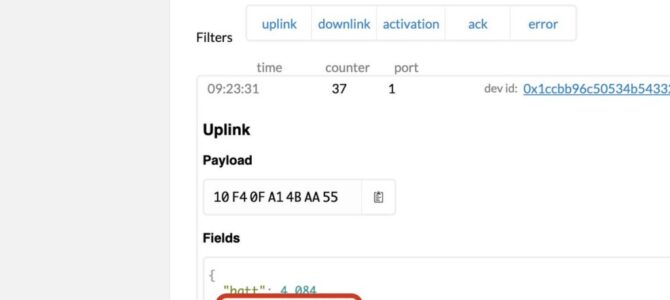
SAMD21’s internal temperature seems pretty accurate to measure ambient temperature when on battery power/mostly sleeping. Experimenting with sensorless room temperature monitoring using #LoRaWAN
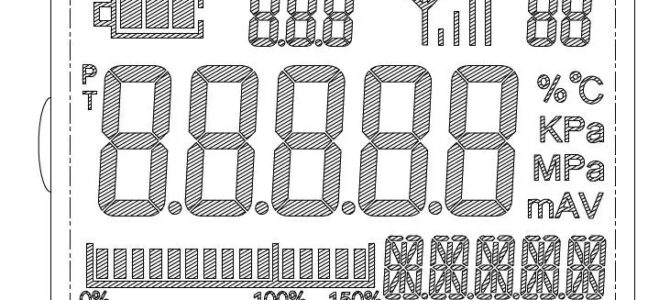
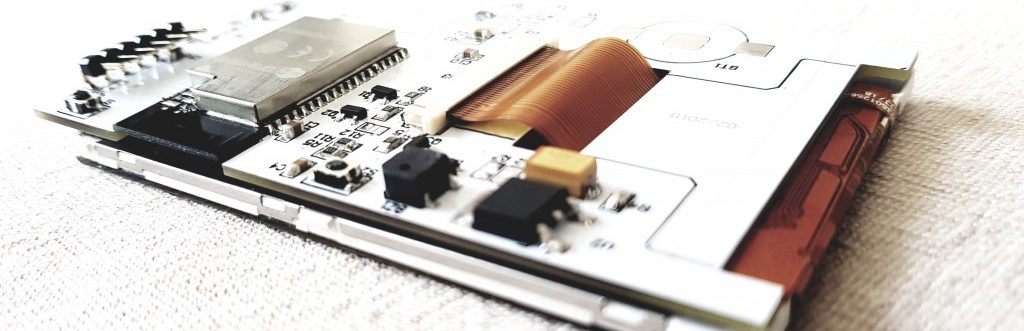
Thinking about creating a low cost, battery powered temperature and humidity #LoRaWAN #IoT node with always on LCD like this:
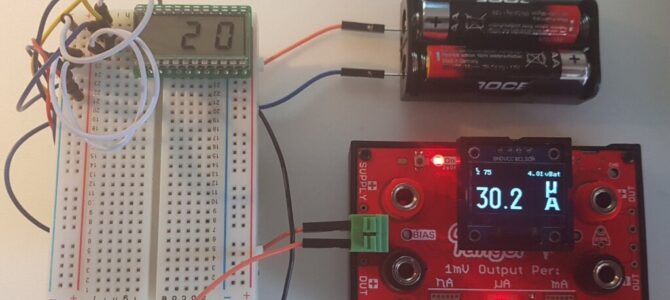
Dug up an old prototype of a low cost monochrome 7 segment LCD display + DS18B20 temperature sensor + Atmega328 + RFM69 433Mhz transceiver project. 30uA sleep current. e-paper is still relatively more expensive alternative. #IoT
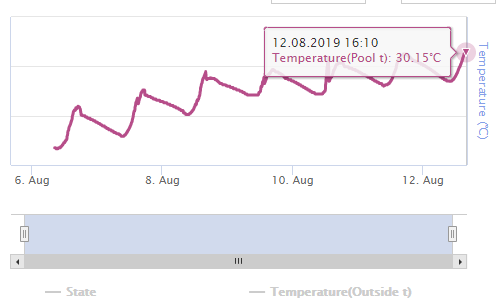
Our 13m³ pool water temperature reaching just over 30°C thanks to the DIY solar heater I blogged about last year https://harizanov.com/2018/07/diy-swimming-pool-solar-heater/ solar harvesting
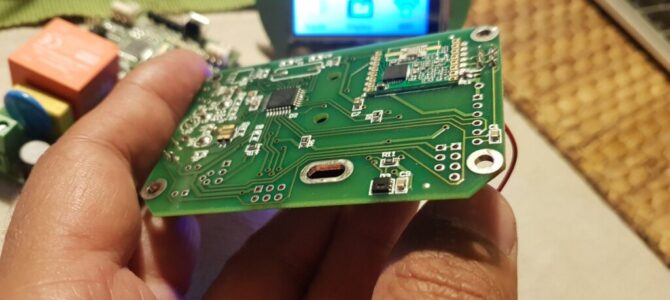
This is my latest wireless battery temperature and humidity sensor revision. It is optimized for long range (200m) and long life (2+ years sending once a minute). To be used with the display hub and relay actuator I tweeted recently #IoT #smarthome
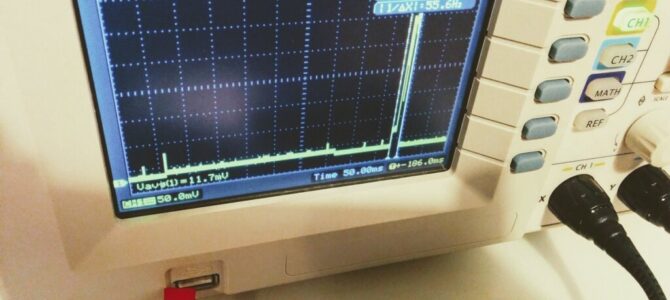
Heavily revised my old battery operated wireless temperature sensor node code, achieved 15% lower current consumption footprint.. #IoT
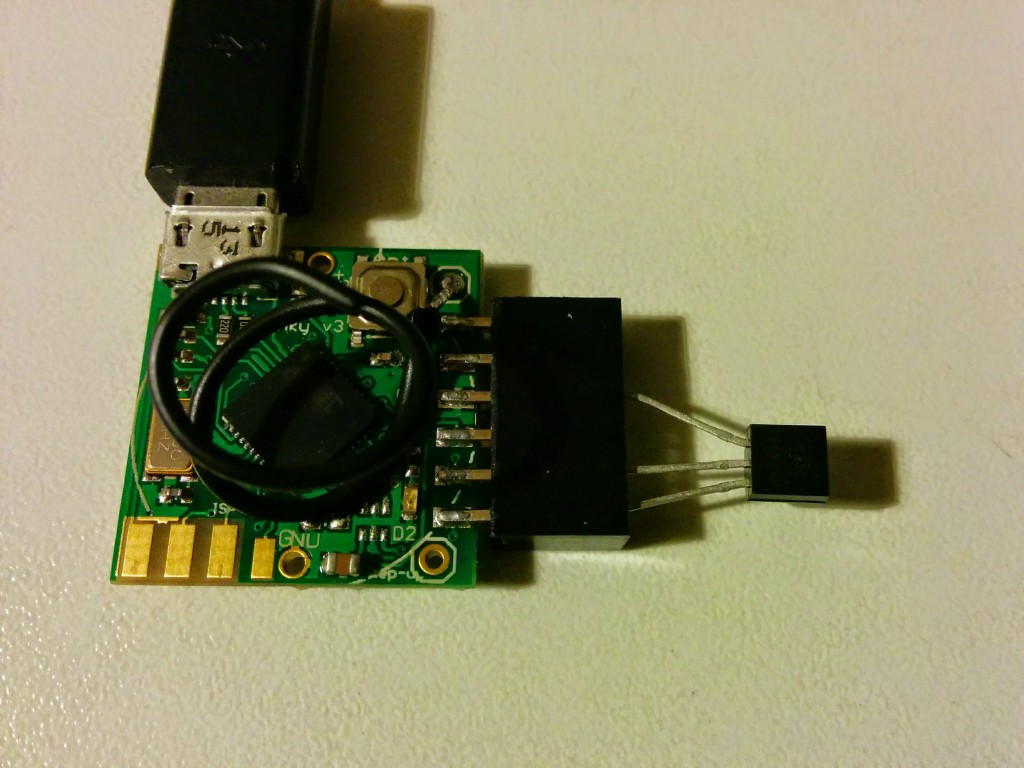
Testing a 4-line OneWire library change that lets the DS18B20 run off internal pull-ups – no more pesky external 4.7K resistor on SMD boards.
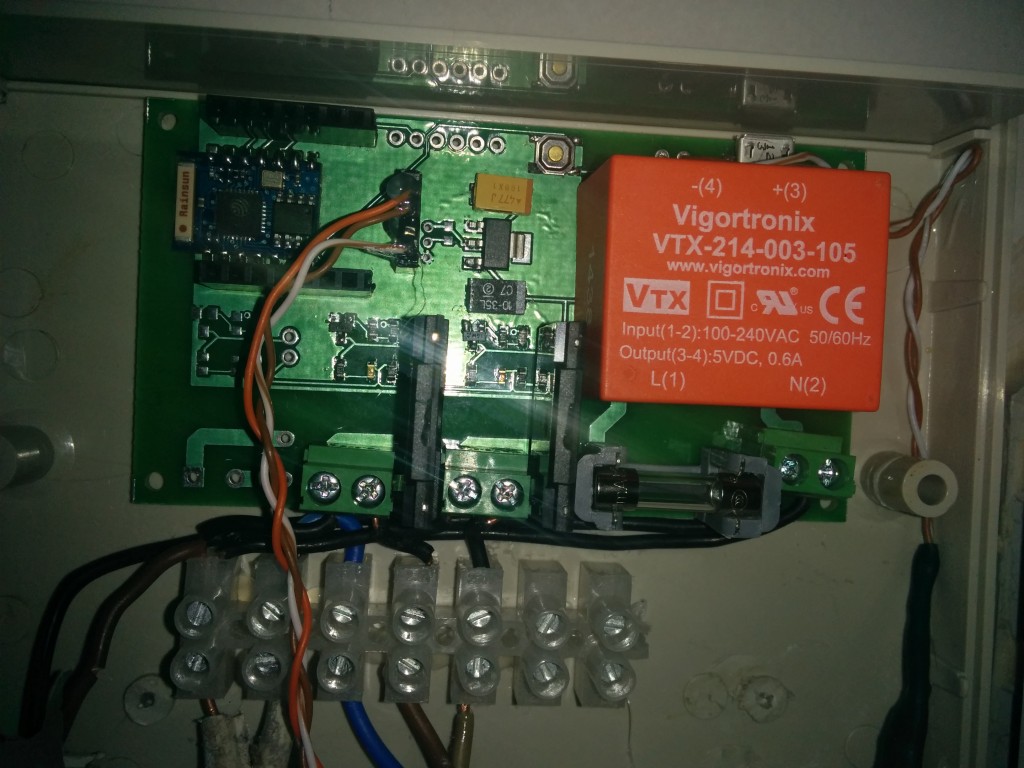
My ESP8266 relay board: three solid state relays, MQTT + HTTP API, DHT22/DS18B20 sensor support – an open WiFi IoT switching platform.
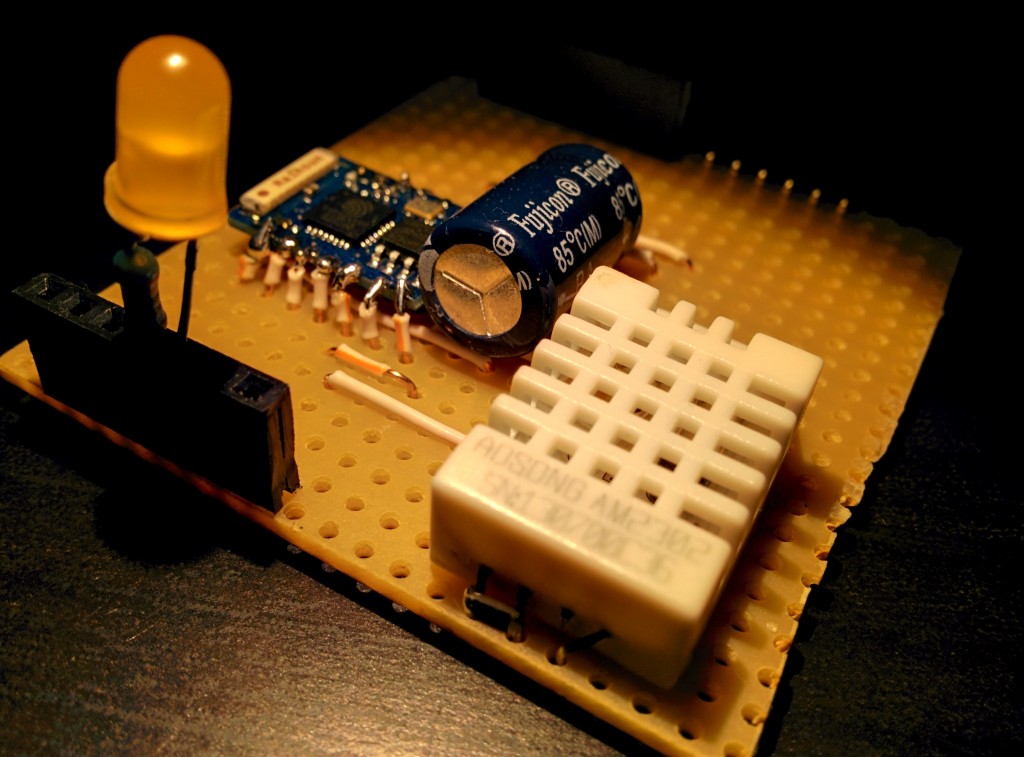
An early ESP8266 experiment: web server, LED control and DHT22 temperature/humidity readings on the $4.50 Wi-Fi chip that shook up DIY IoT.
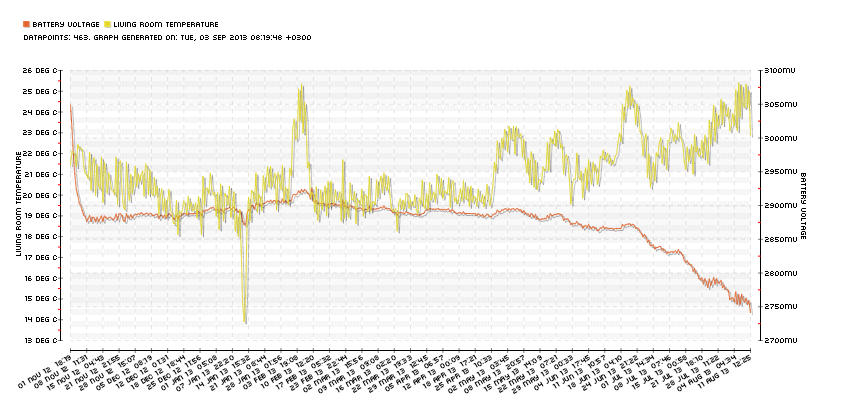
9 months and 10 days on one CR2032: the discharge pattern of a coin cell powering a Funky v1 + DS18B20 room temperature node.
A wearable wireless body temperature monitor for sick kids – remote logging plus a bedside status display with an alarm.
Adding an analog clock face to my OLED status display, plus a bitmap thermometer tracking the solar water tank temperature.
Encoding temperature as RGB LED color – read the solar hot water status from across the room, no display needed.
Cutting the DS18B20’s 750ms conversion time by dropping resolution – optimizing the sensor code for low power battery nodes.
7 months on the same CR2032 and the Funky+DS18B20 room temperature node is still transmitting – live chart included.
Turning my 1.8″ TFT into a Raspberry Pi status display showing house telemetry pulled from emonCMS.
Using the Funky as a remote room temperature node – a DS18B20 solders straight onto its pads, one per room before the heating season.
The DHT11 turned out to be a bad joke, so I upgraded to the DHT22 for outside temperature/humidity feeding my heating automation.
Reading the ATtiny84’s internal temperature sensor – no external parts, quite nice for a really low power node.
Reusing a cheap digital thermometer’s LCD by mimicking its thermistor with a digital potentiometer – a free data display.
TinySensor plans: the ATtiny84 remote sensor goes to a real PCB fab – CR2032 slot, a JeeLabs compatible port, 15 boards minimum.
An expandable solar hot water tank temperature logger to Pachube on the Sensing Shield – built for a forum guy new to Arduino.
A single sided ATtiny84 temperature sensor PCB after the double-sided fiasco – etches cleanly, sends every 60 seconds.
My first home-made PCB: toner transfer and ferric chloride etching for the remote temperature sensor board – faster than any fab house.
The TMP36 tops out at 57°C on the ATtiny84’s 1.1V reference, so the solar tank sensor moves to multiple DS18B20s on one wire.
An ATtiny84 remote temperature sensor with RFM12B – JeeNode Micro envy turned into my own single-chip wireless node.