The first ATmega32U4 USB Funky is soldered – QFN44 and 0402 by hand, plus the swapped MOSI/MISO lines I had coming.
Funky v2 (well almost)
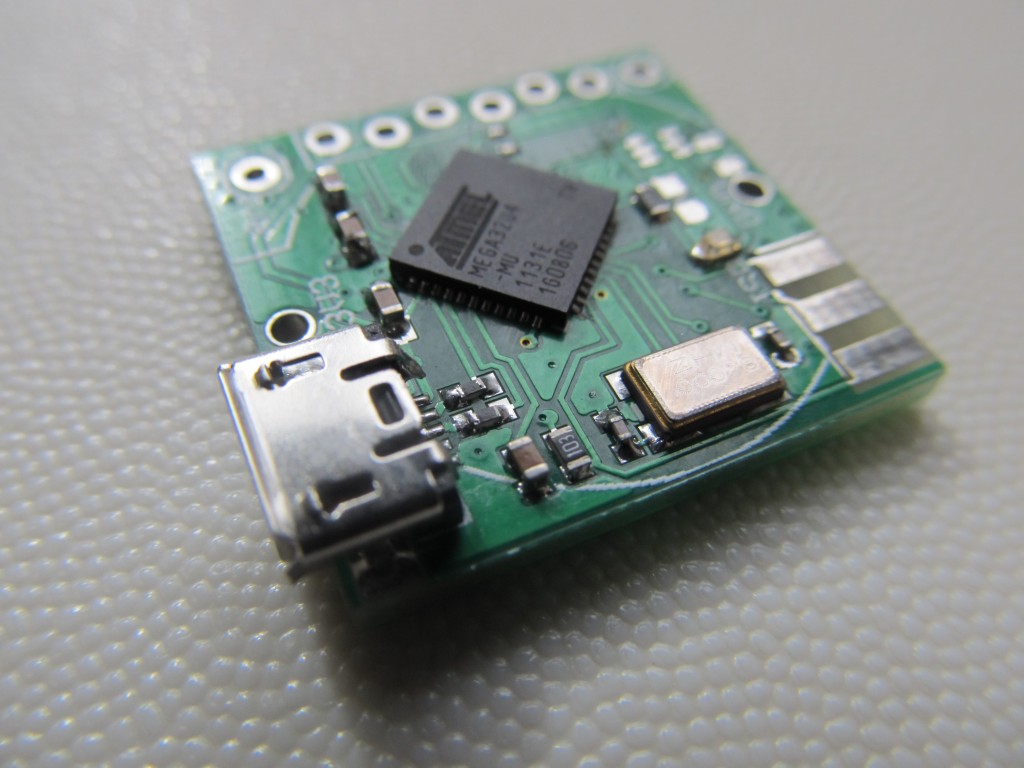
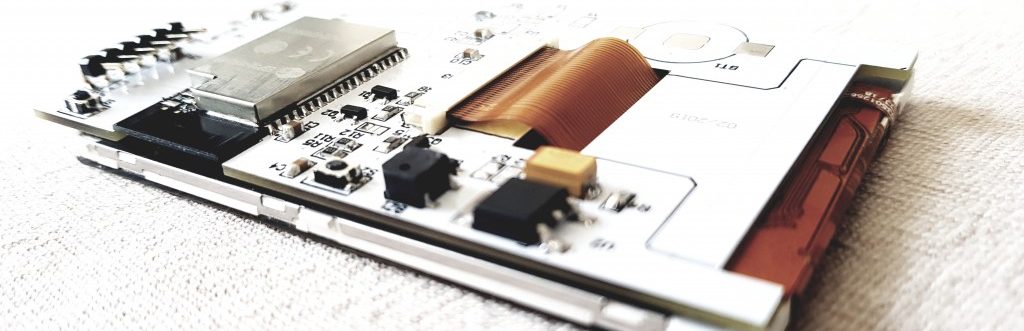
The first ATmega32U4 USB Funky is soldered – QFN44 and 0402 by hand, plus the swapped MOSI/MISO lines I had coming.
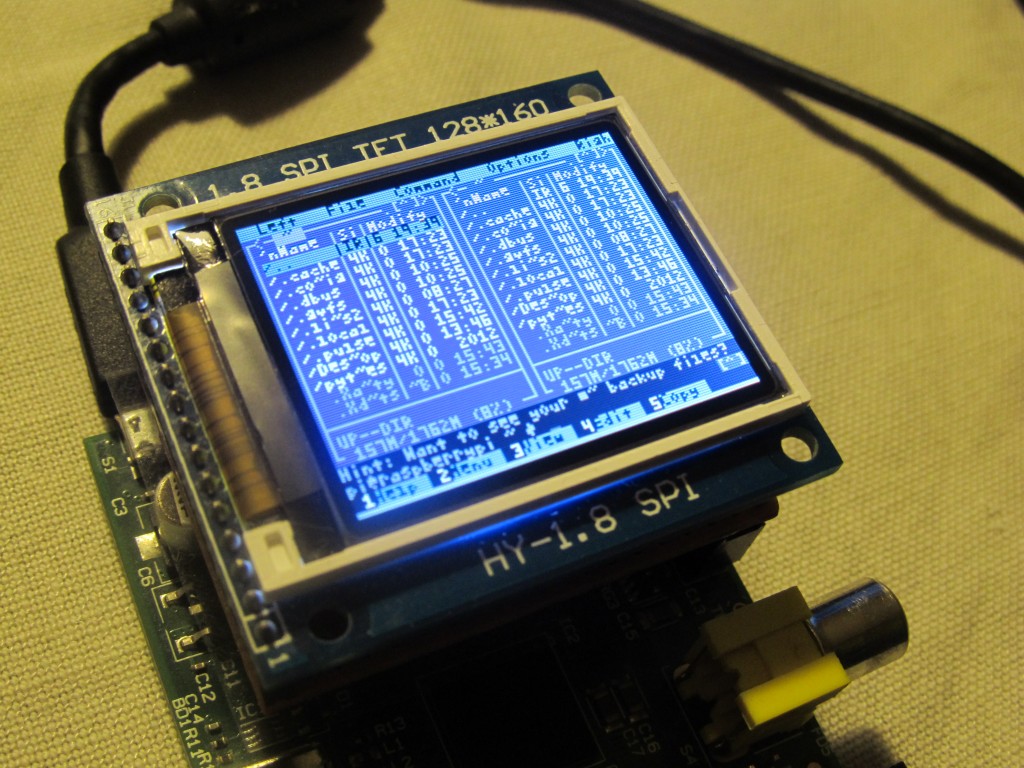
Running a cheap 1.8″ ST7735R TFT on the Raspberry Pi with a modified kernel – the display that was too memory hungry for an Arduino.
Testing the LTC3108 energy harvesting breakout – burned my Peltier TEG, so a solar cell steps in while new parts arrive.
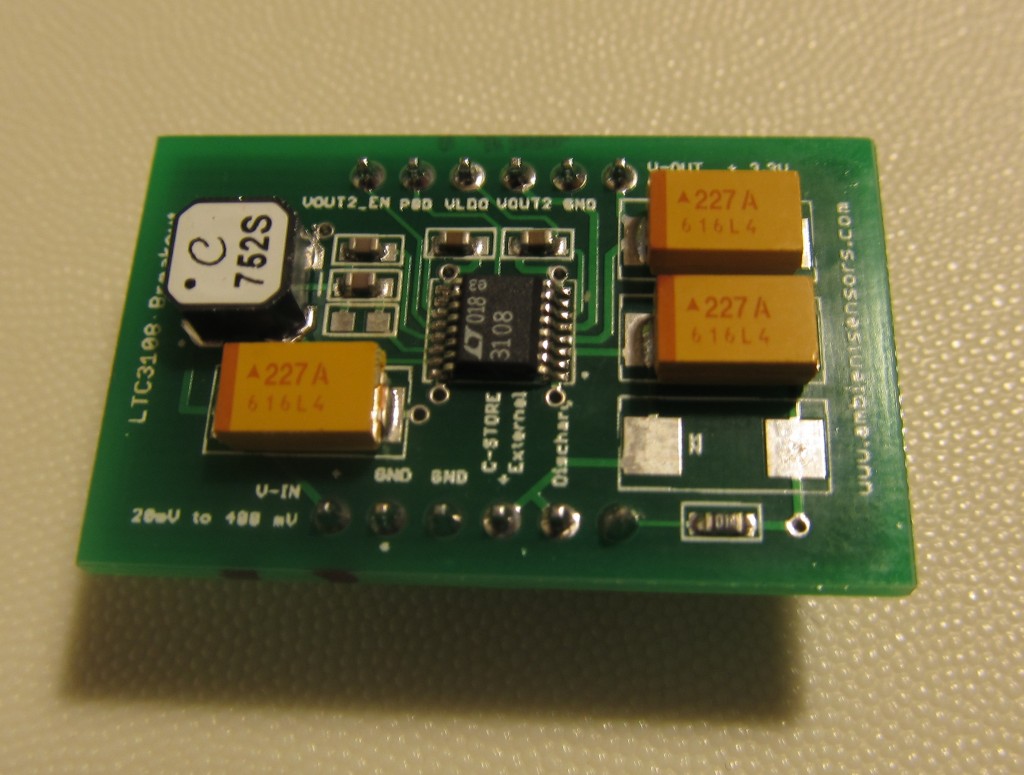
Charging a 1F supercap from a scavenged solar cell through the LTC3108 energy harvesting board – first light, wrong cell, lesson learned.
First build of Robert’s LTC3108 energy harvesting breakout – aiming for a battery-less Funky sensor node.
Reverse-engineering a cheap undocumented 1.8″ TFT from ebay – turns out to be an ST7735R, and it even has an SD slot.
Analyzing our hot water usage patterns from heat pump telemetry – no flow meter, just data I was already logging to emonCMS.
Running the 2boots bootloader on the uIoT gateway – serial stk500v1 plus loading .hex files straight off an MMC card, all in 2KB.
Turning a Raspberry Pi and an old USB webcam into an IP camera with motion – the Instructable had errors, here are my exact steps.
Plotting 5 days of my logged locations and distance from home – the commute patterns that will soon feed home automation.
Building and evaluating the emonGLCD that Glyn from OpenEnergyMonitor kindly sent over – working within the hour.
Adapting optiboot for the uIoT gateway so sketches upload over the FTDI plug – no more ISP programmer for end users.
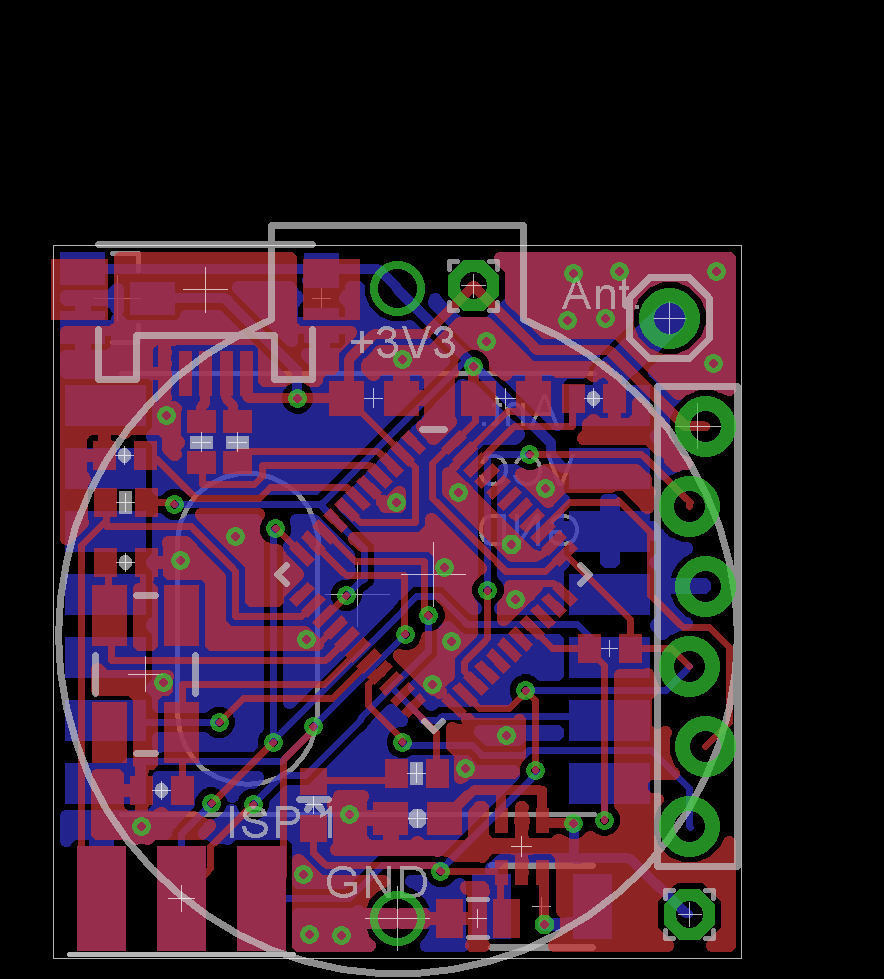
Final board layout for the ATmega32U4 based Funky 2 – this project is pushing my hobby-level PCB skills hard, in a good way.
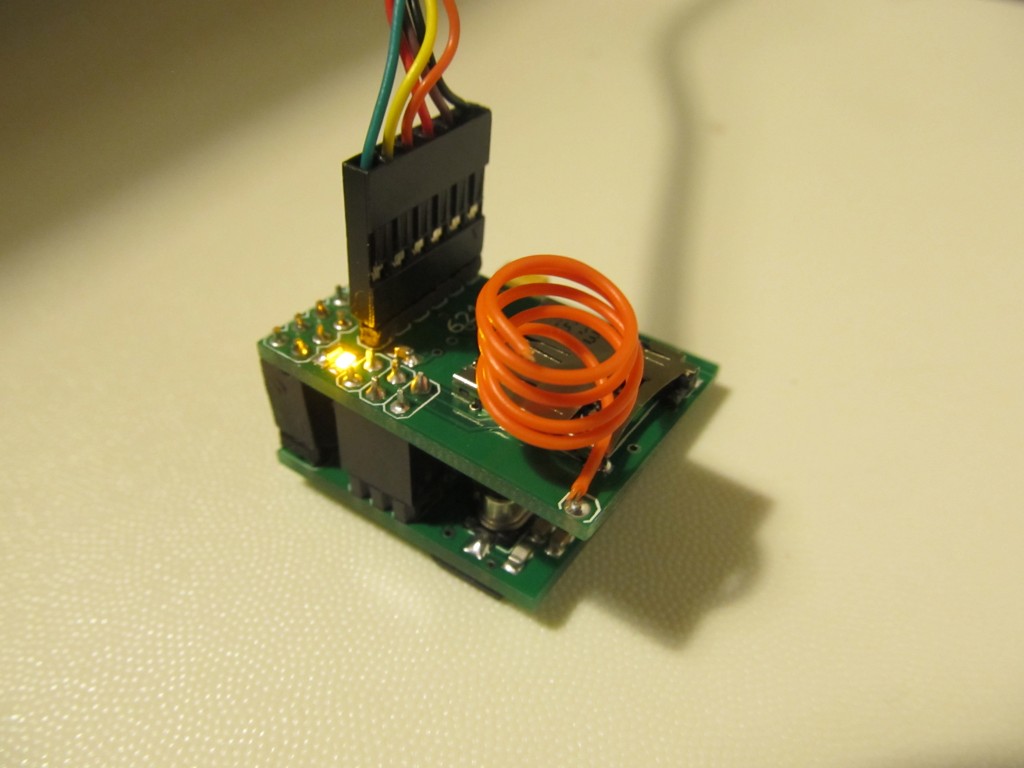
Testing the uIoT gateway shield: micro SD and 2boots MMC bootloader work; Ethernet waits for the correct magjack to arrive.
uIoT gateway status: PCBs assembled at last, but the wrong MagJack ordered – Ethernet testing waits for the mailman again.
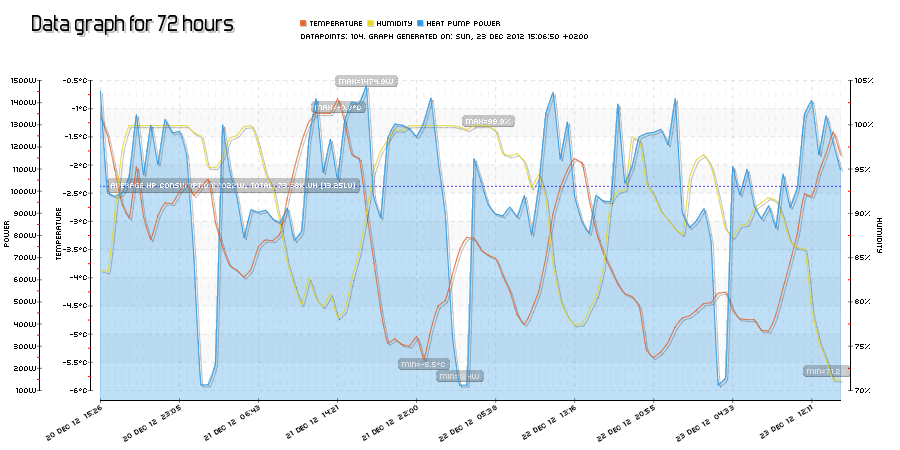
Charting emonCMS data with pChart – a static PHP fallback for the feeds the built-in multigraphs render slowly or not at all.
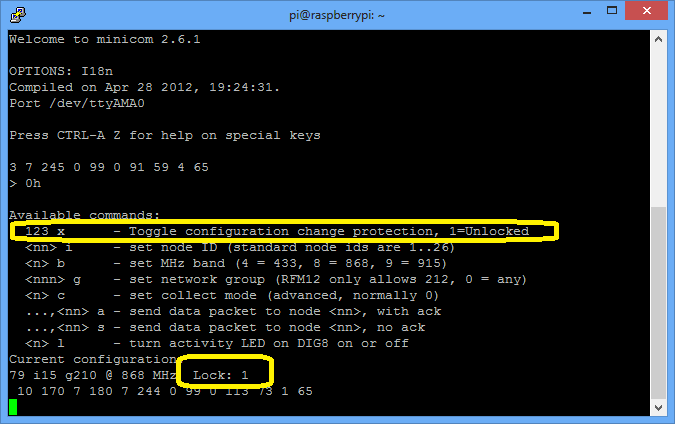
RFM2Pi firmware fixes: random serial gibberish could switch the board’s nodeID, so commands now require deliberate input.
A new Asus K56CM laptop, chosen my way: set a budget, walk into the store, poke the actual machines, done.
Winter mode for the evacuated tube solar heater: plumbing disconnected, fingers crossed, electric element on standby against freezing.
Calculating the distance between two GPS coordinates in PHP – the math behind my location-aware home automation.
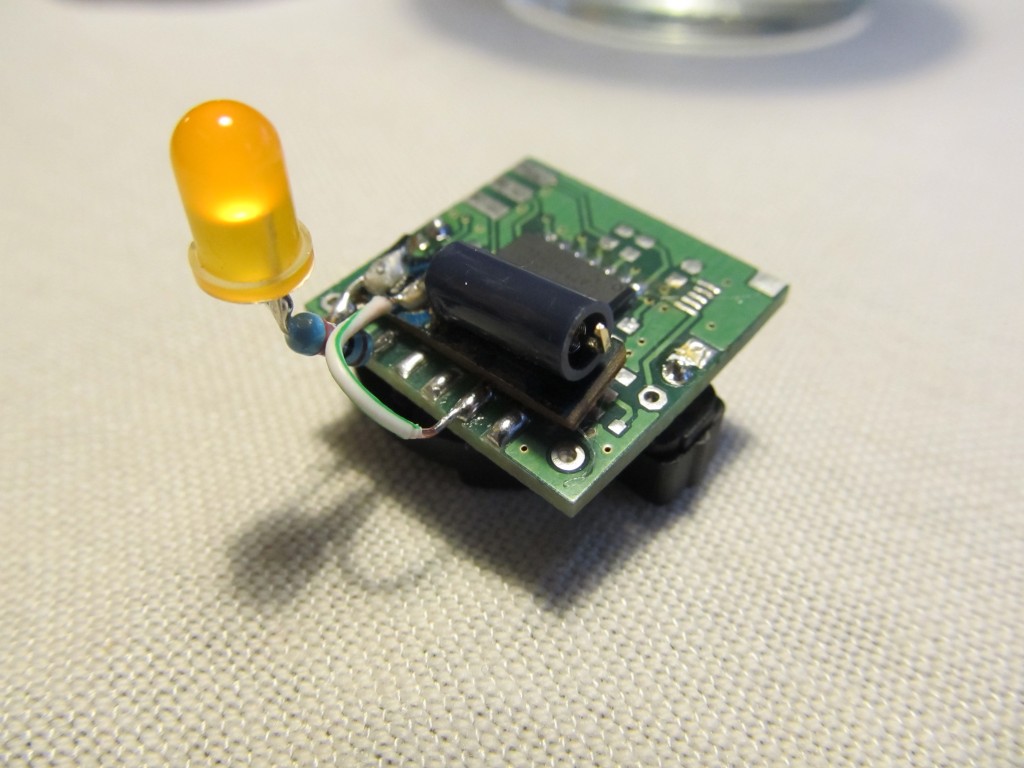
A Funky LED candle: bare PCB, an ATtiny84 at 1MHz with BOD off, and a flickering yellow LED down to 1.8V – nothing else needed.
Turning stale breakfast bread into a bird feeder project with the kids – a couple of winter hours well spent.
My Raspberry Pi knows where I am – phone location feeding home automation ideas like easing the heating when I’m far from home.
Getting my emonCMS data on my phone – tank and room temperatures at a glance without opening the laptop.
Researching ultra low power sources for the Funky – including harvesting from a CT clamped around a live power line.
Rethinking the Funky: an ATmega32U4 micro node with RFM12B – native USB means no ISP programmer and no core installs for users.
Low power receiver options for the RFM12B – how a battery node can listen for commands without keeping the radio always on.
Using the Funky as a remote room temperature node – a DS18B20 solders straight onto its pads, one per room before the heating season.
Experimenting with native USB on the Funky using FTDI’s tiny FT230XQ – inspired by the MicroFTX project.
What is this blog all about? Home automation, wireless sensors and energy monitoring – the big picture behind all the projects.
The e-meter PCB arrived and is coming together – a wrong 2×8 header footprint and two missing parts, otherwise looking good.
Bringing up Simon K.’s Micro Web Server with JeeLabs’ EtherCard library – the painful SMD assembly worked on first try.