Mounting the Raspberry Pi root file system read-only – the next step after USB flash also proved corruptible on power loss.
Raspberry Pi root file system in read-only mode
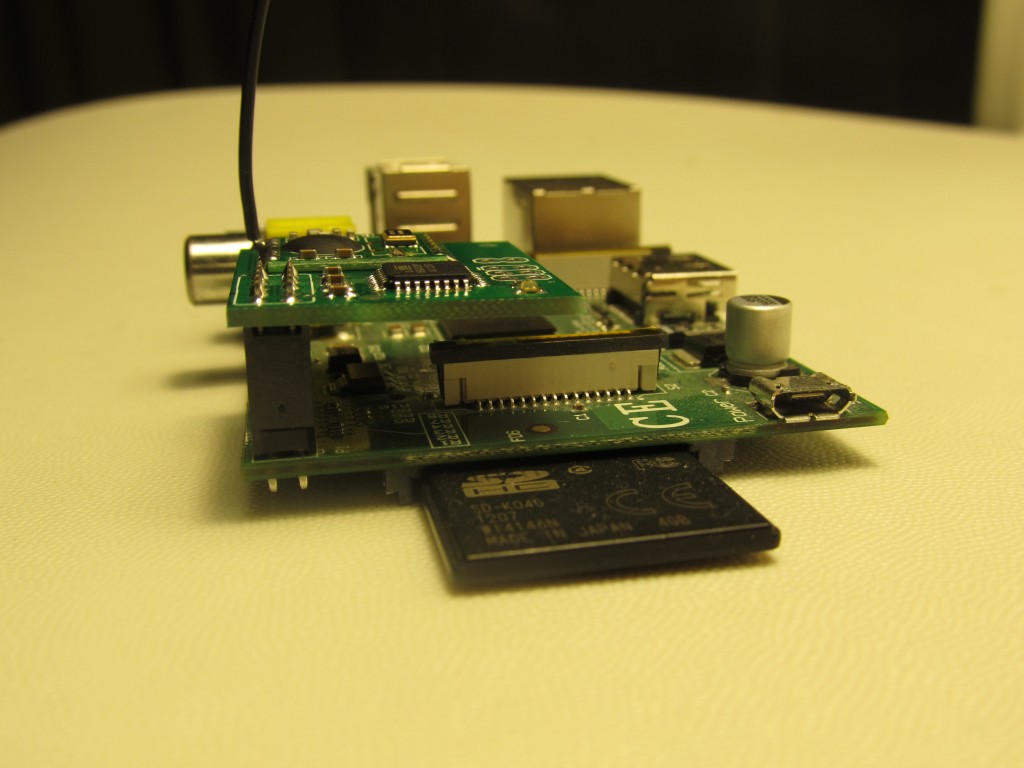
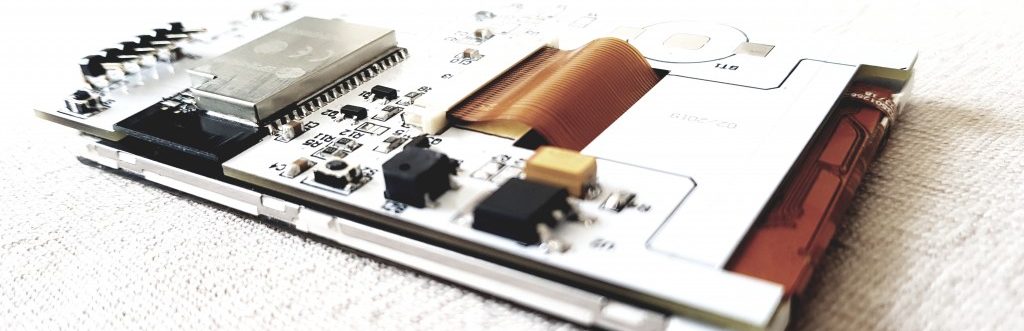
Mounting the Raspberry Pi root file system read-only – the next step after USB flash also proved corruptible on power loss.
Raw infrared to serial and back – one interface for every IR protocol my air conditioners, TVs and media gear happen to speak.
Installing emonCMS’s events module – rule-based alerts and actions on top of the telemetry my sensors already log.
A pong clock on the Raspberry Pi and my 1.8″ TFT – adapting Don Clark’s code for the ST7735R frame buffer.
Putting the Raspberry Pi’s built-in hardware watchdog to work – automatic reboots when the Pi hangs, no external hardware.
Three corrupted SD cards later: moving the Raspberry Pi root file system to a USB drive to survive our frequent power outages.
Connecting my coffee machine to Twitter with a Raspberry Pi – a silly social appliance and a good learning exercise.
Step-by-step Raspberry Pi doorbell notifier: email/SMS plus a webcam snapshot of whoever is ringing. A simpler follow-up to my SMS doorbell.
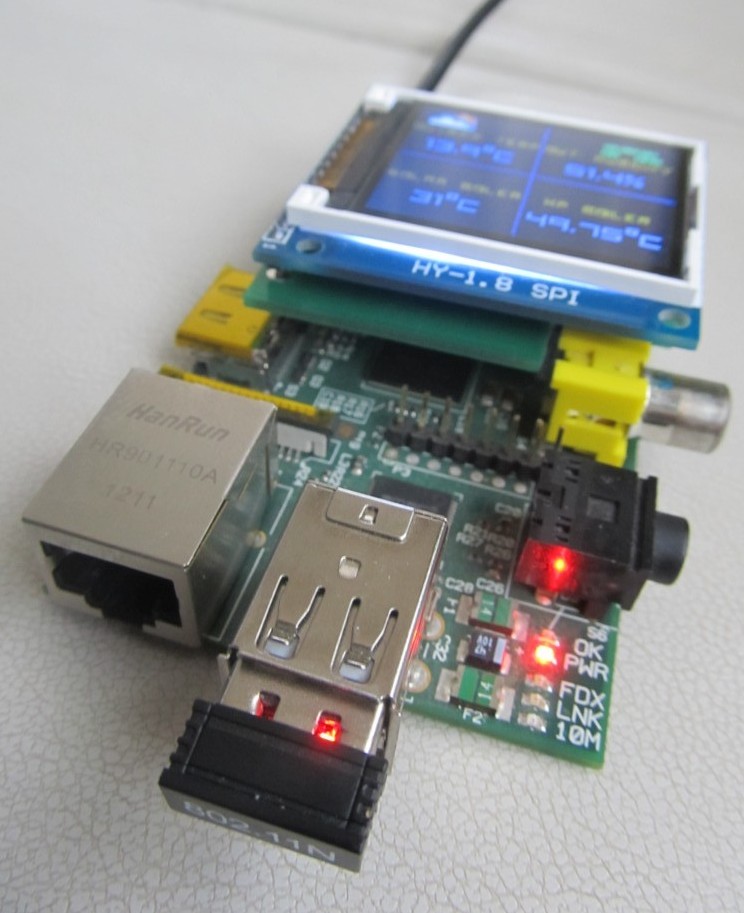
Auto-reconnecting the Raspberry Pi’s cheap RTL8188CUS WiFi dongle after my router’s nightly WiFi shutdown – a small watchdog script.
TCP/IP over RFM12B using the uIP stack – remote nodes reach the Internet through a Raspberry Pi gateway.
A Siri-like voice chat on the Raspberry Pi – speech-to-text, a chat bot and TTS glued together, keeps the kids busy for a while.
The Raspberry Pi TFT PCB is back from the fab – TFT soldered on, working on first try, small demo inside.
The Funky v2 as an RFM12B to Raspberry Pi gateway – it enumerates as CDC over USB, keeping the Pi’s GPIO header free.
Laying out a proper Raspberry Pi TFT board – a non-rectangular PCB that sits on top of the Pi, off to the fab house.
Turning my 1.8″ TFT into a Raspberry Pi status display showing house telemetry pulled from emonCMS.
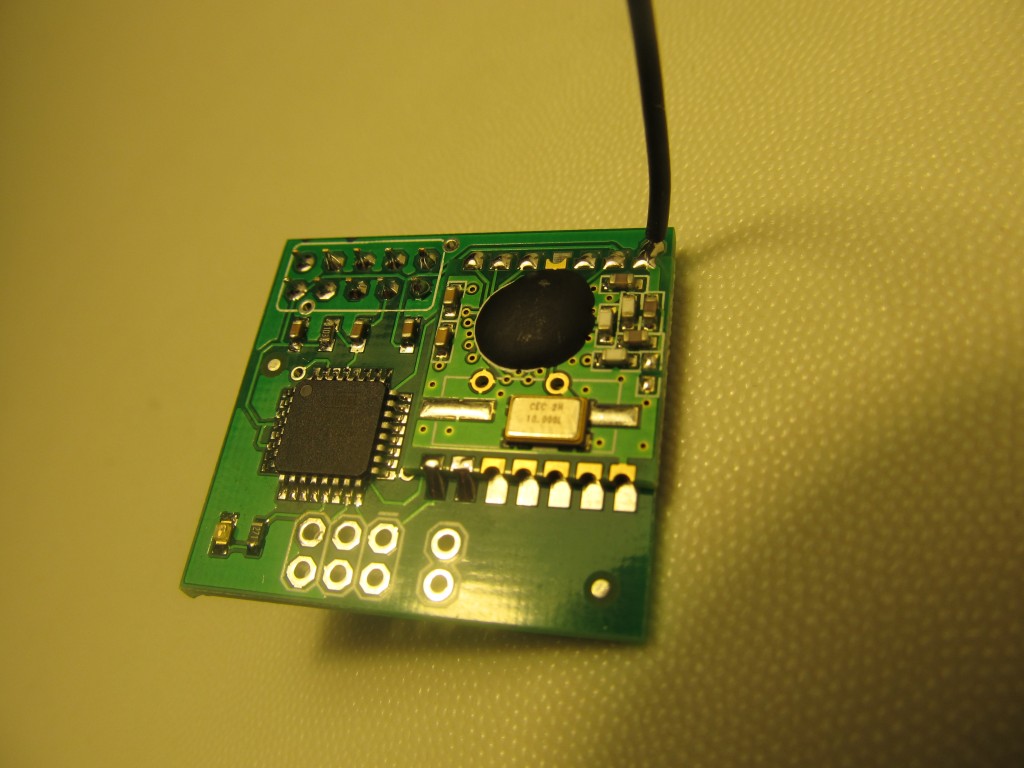
The new RFM2Pi board Glyn Hudson and I are working on – ATmega328, internal 8MHz oscillator, SMT layout for the Raspberry Pi.
Receiving IR on the Funky v2 with Ken Shirriff’s library – and the routing change that will make IR sending possible too.
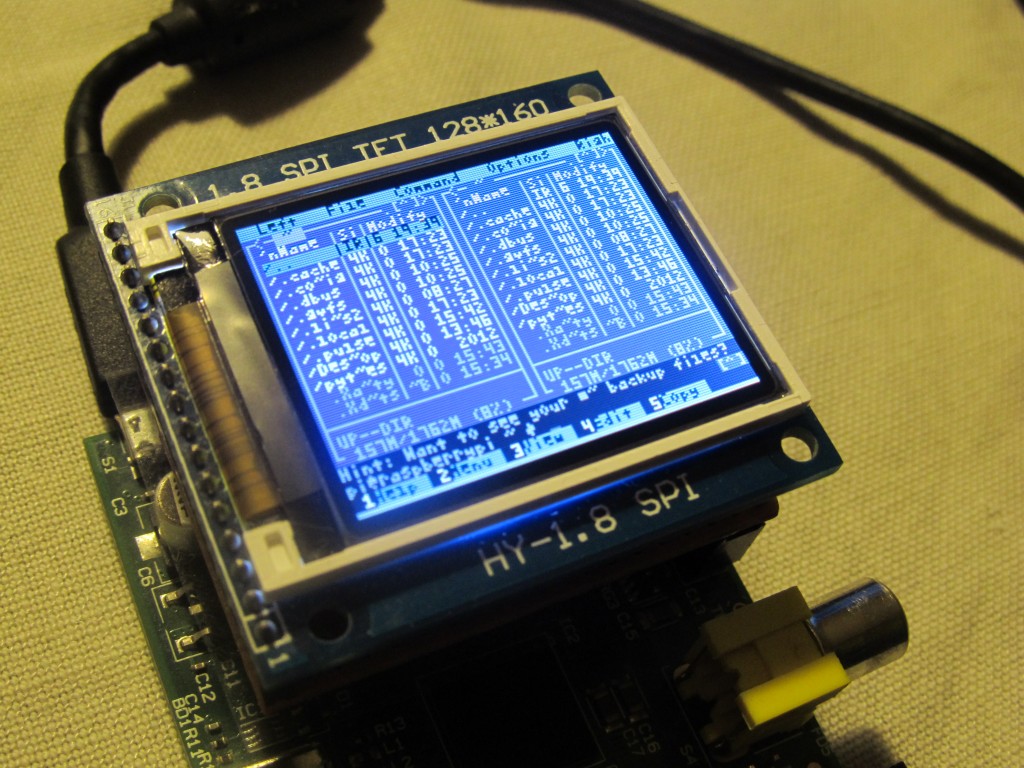
Running a cheap 1.8″ ST7735R TFT on the Raspberry Pi with a modified kernel – the display that was too memory hungry for an Arduino.
Turning a Raspberry Pi and an old USB webcam into an IP camera with motion – the Instructable had errors, here are my exact steps.
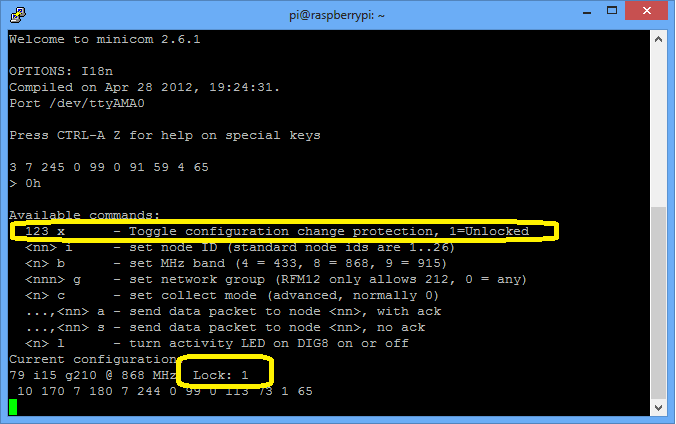
RFM2Pi firmware fixes: random serial gibberish could switch the board’s nodeID, so commands now require deliberate input.
My Raspberry Pi knows where I am – phone location feeding home automation ideas like easing the heating when I’m far from home.
Discontinuing the TinySensor in favor of the Funky, and a dedicated RFM12B to Raspberry Pi board is coming – the RFM2Pi’s origin.
Sharing my laptop’s keyboard and mouse with the Raspberry Pi over the network – no remote desktop, no dedicated peripherals.
A $25 4.3″ car backup camera TFT from Ebay as a status display for my Raspberry Pi – specs, wiring and first impressions.
Funkys have taken over my projects, so the TinySensor is on its way out – shields for the Funky are the better path.
TinySensor + Raspberry Pi as my emonBase – a lightweight perl script replacing the CPU-heavy PHP serial reader.
Dropbox Uploader, a bash script for the Raspberry Pi – handy for keeping files synced while juggling SD card images.
TinySensor v1.4 PCB is here – now with a 3.3V FTDI connector for serial debugging, programming over it comes next.
A small home-made PCB that permanently fits the RFM12B-to-serial module on my Raspberry Pi – simpler than the native SPI efforts.
Capturing RFM12B packets on the Raspberry Pi, decoding them and logging to emonCMS – the receiving side of my sensor network.
Porting JeeLabs’ RF12Demo sketch to the ATtiny84 – the TinySensor becomes a send/receive gateway on the Raspberry Pi’s UART.
Two-way serial between the Raspberry Pi and a TinySensor – a NewSoftSerial patch adds the RX the tiny core never had.