A tweeting ESP8266, no proxy service involved – the chip talks to Twitter’s API directly, SSL and all.
Tweeting silicon

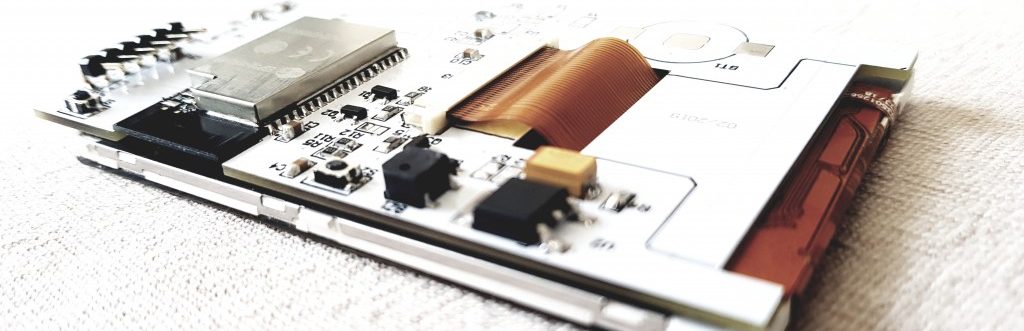
A tweeting ESP8266, no proxy service involved – the chip talks to Twitter’s API directly, SSL and all.

Some thoughts on IoT security: billions of records in transit daily, and most of the sensors sending them were never designed to be safe.

Firmware Over The Air (FOTA) for the ESP8266 – why every embedded project needs remote updates and how I implemented mine.

The $35 Raspberry Pi isn’t really $35 – comparing the true cost of physical Pis against virtual machines for home automation duty.
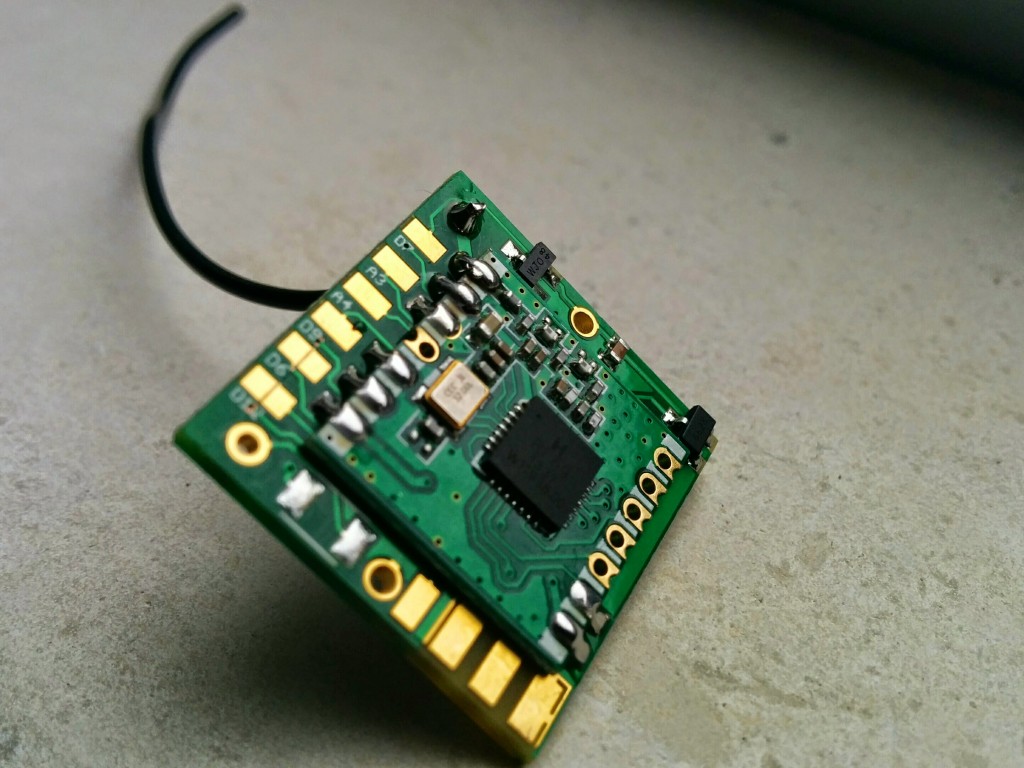
Running the Funky v3’s RFM69CW on LowPowerLab’s native RF69 library instead of Jeelib – what changes and what you gain.
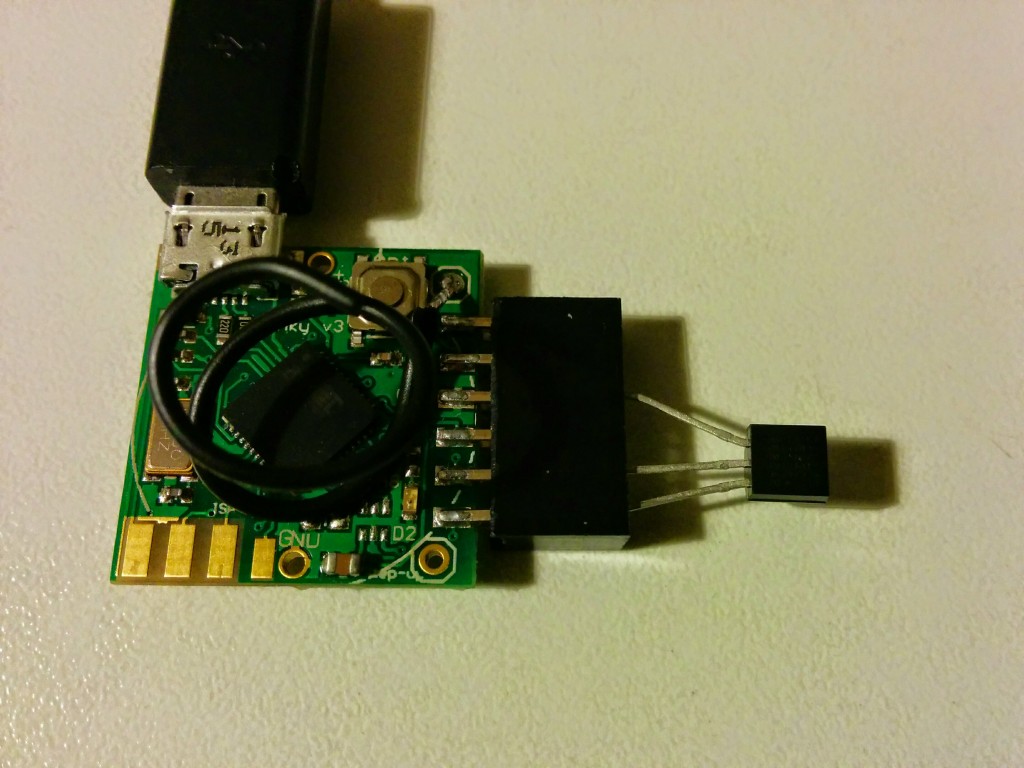
Testing a 4-line OneWire library change that lets the DS18B20 run off internal pull-ups – no more pesky external 4.7K resistor on SMD boards.
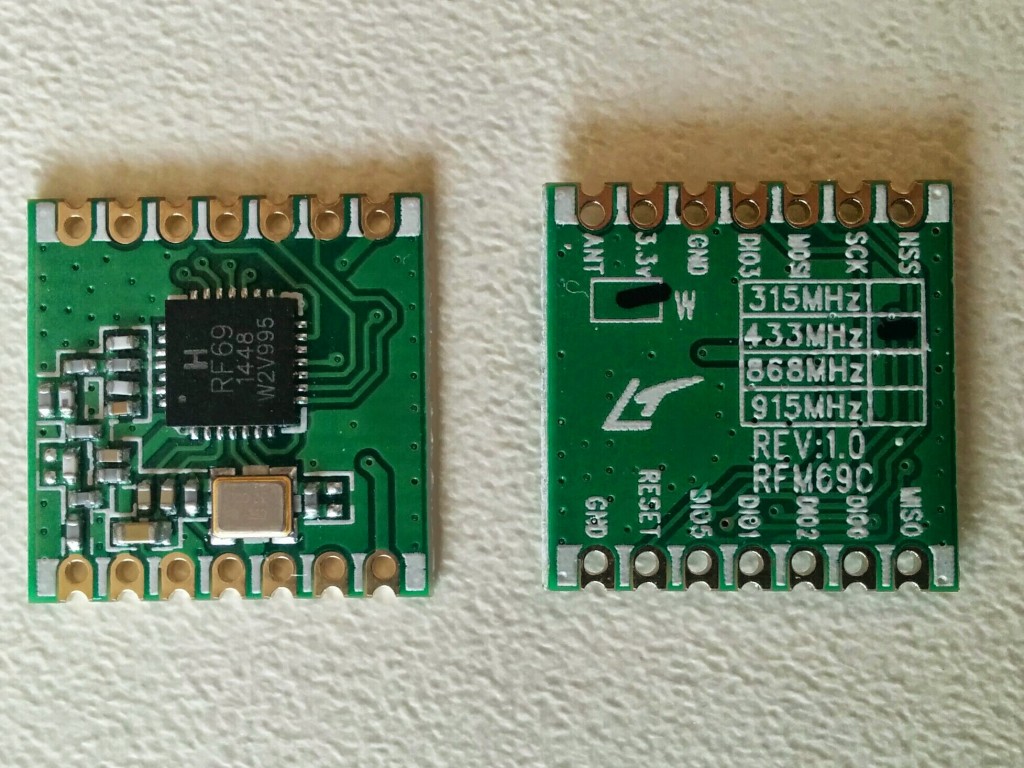
Swapping the RFM12B for the pin-compatible RFM69CW – +30% range and better sensitivity for roughly the same price.
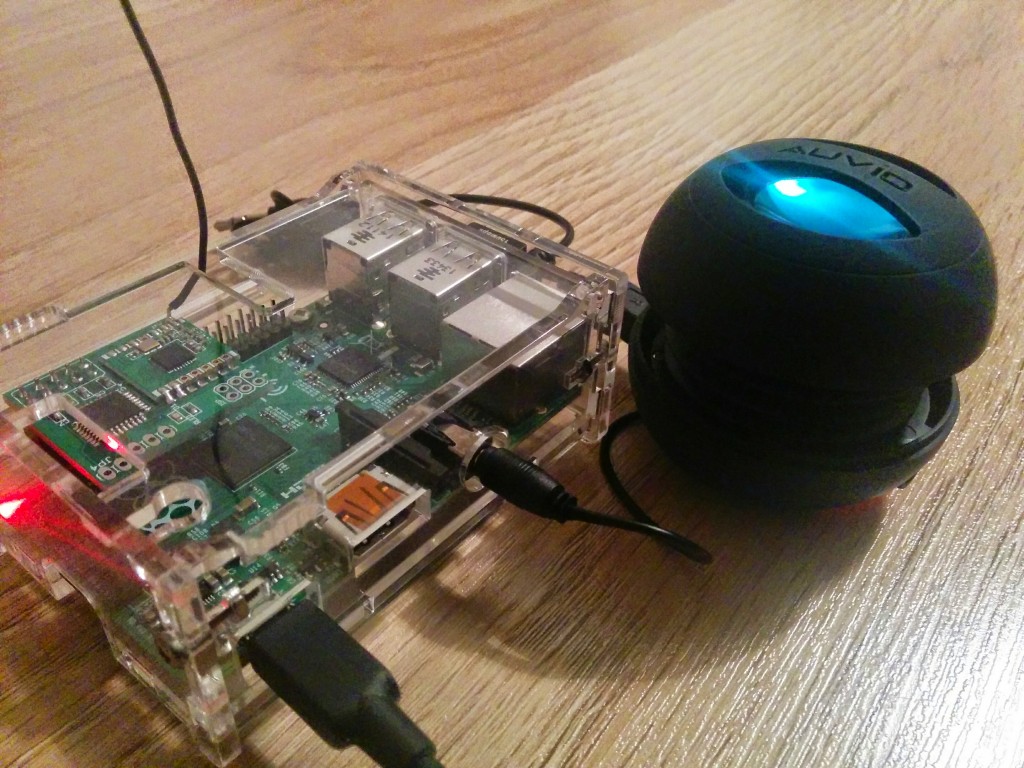
Speech generation with Node-RED: the house reads notifications aloud so I stop picking up my phone 50+ times a day.
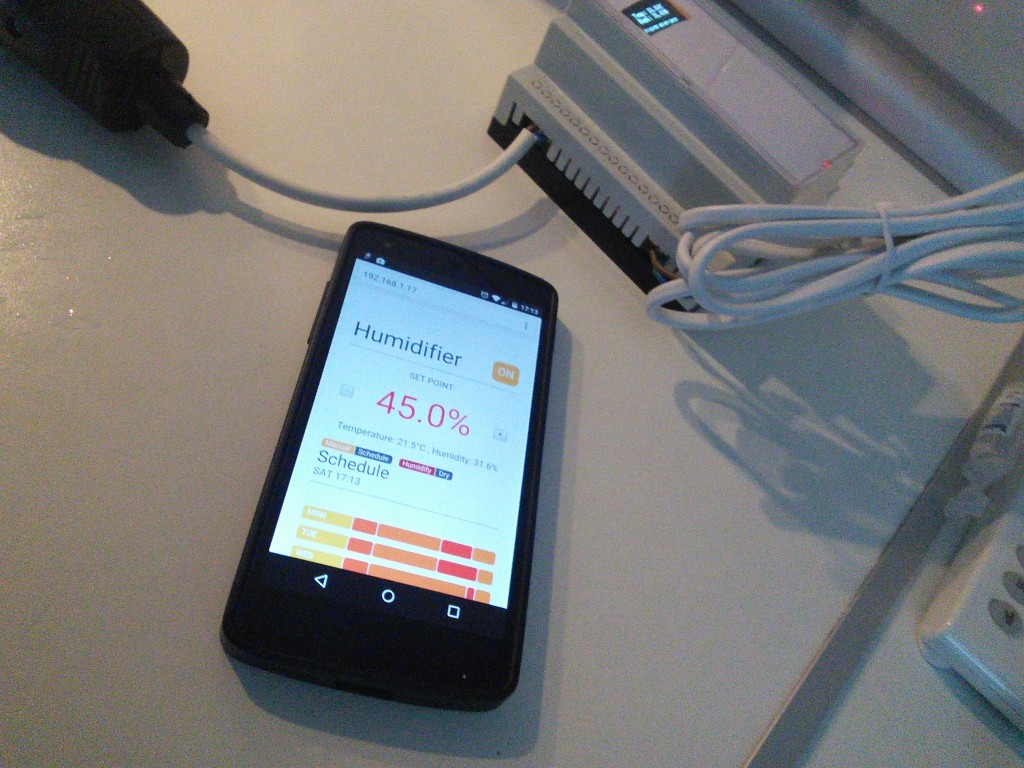
Fan-coil heating kept the house under 30% RH, so a cheap ultrasonic humidifier became a Wi-Fi humidistat: ESP8266 relay, DHT22, setpoint and schedule.
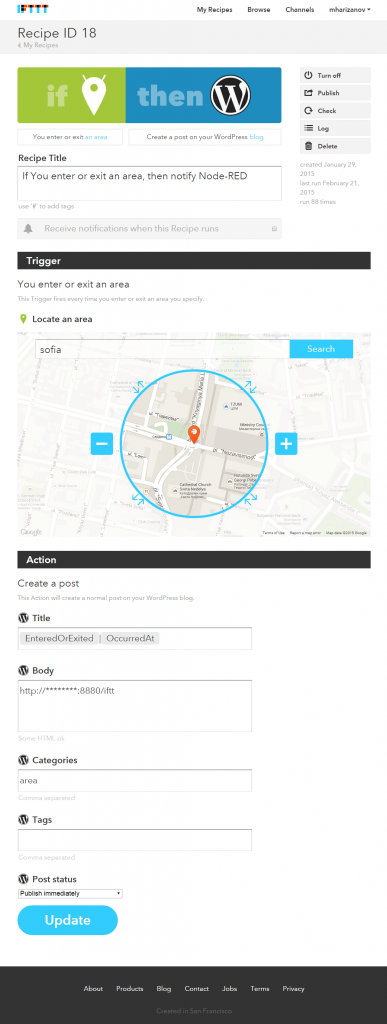
IFTTT is missing WebHooks, so here is how I made it talk to Node-RED and trigger my flows from any IFTTT event.
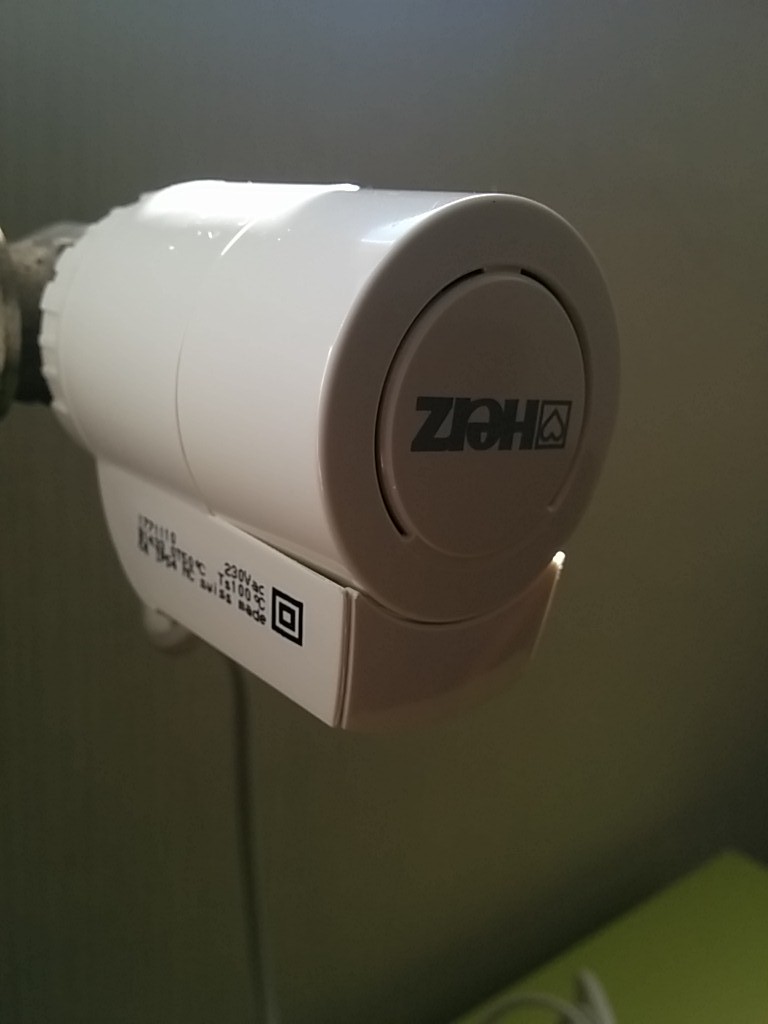
My WiFi thermostat with a weekly scheduler – why I swapped the SSRs for classical 8A relays and what changed on the board.
Recording of yesterday’s IoT tech talk hangout – and the next session’s topic looks set to be the ESP8266.

Proposing a monthly IoT video hangout: 35 min community tech talk, Q&A and open discussion – anyone in?
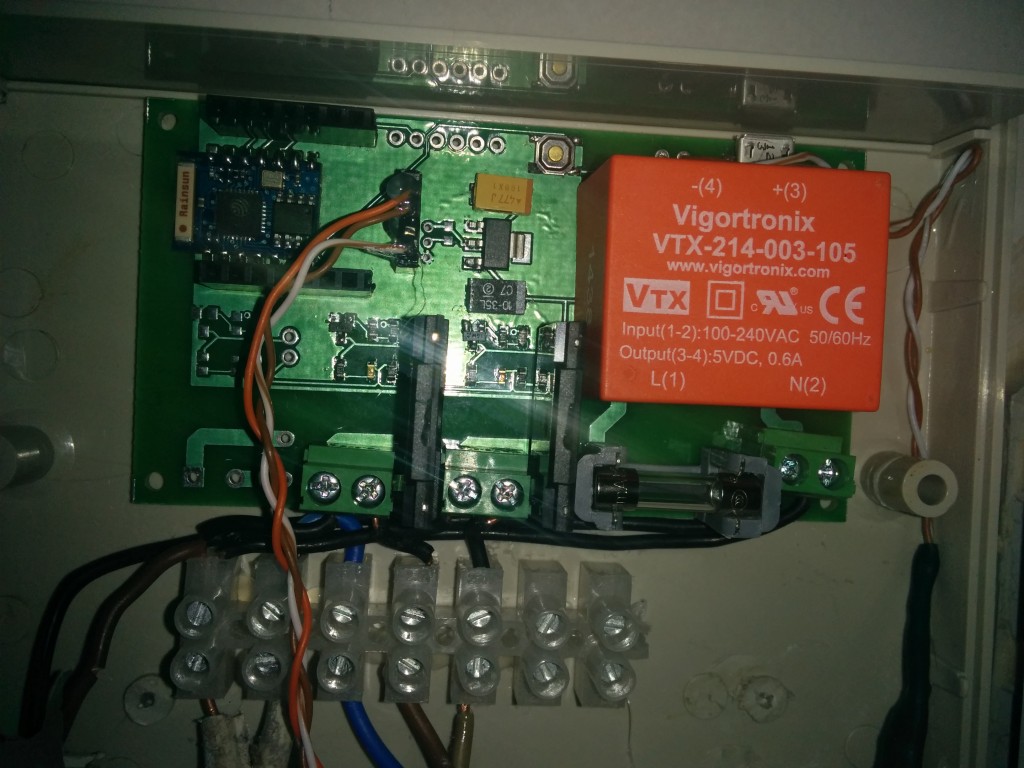
My ESP8266 relay board: three solid state relays, MQTT + HTTP API, DHT22/DS18B20 sensor support – an open WiFi IoT switching platform.
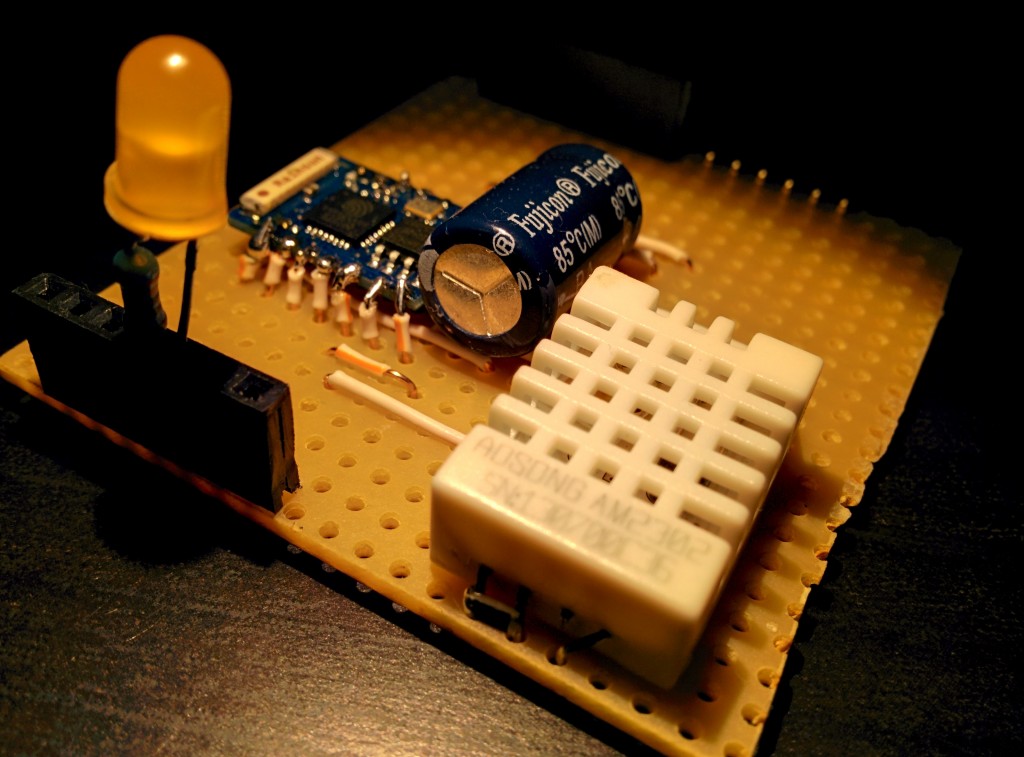
An early ESP8266 experiment: web server, LED control and DHT22 temperature/humidity readings on the $4.50 Wi-Fi chip that shook up DIY IoT.
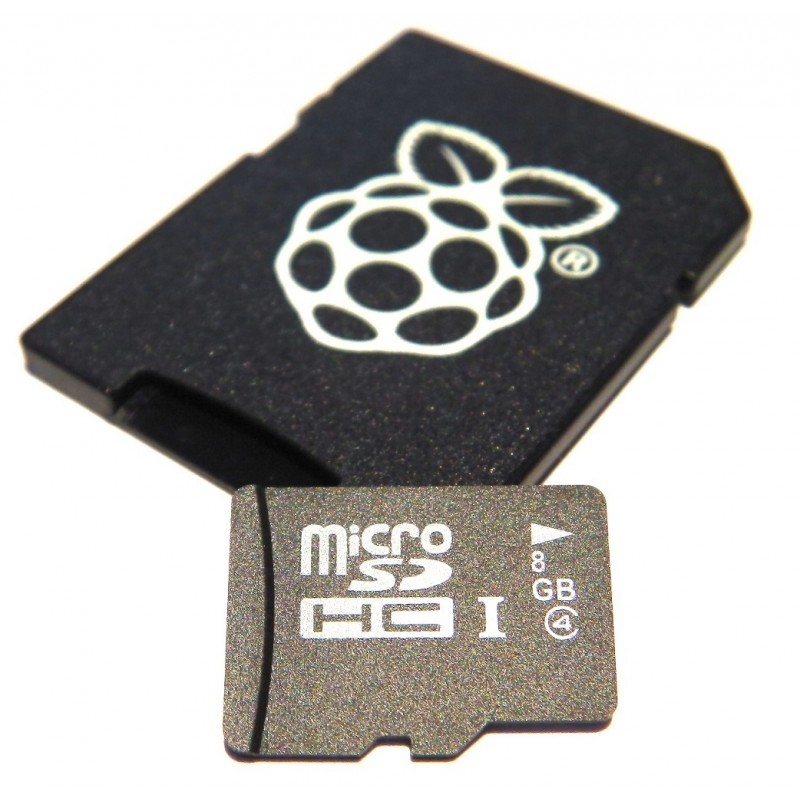
Exposing the Raspberry Pi’s network settings to /boot so they can be edited from a PC – handy when cloning SD cards for other networks.
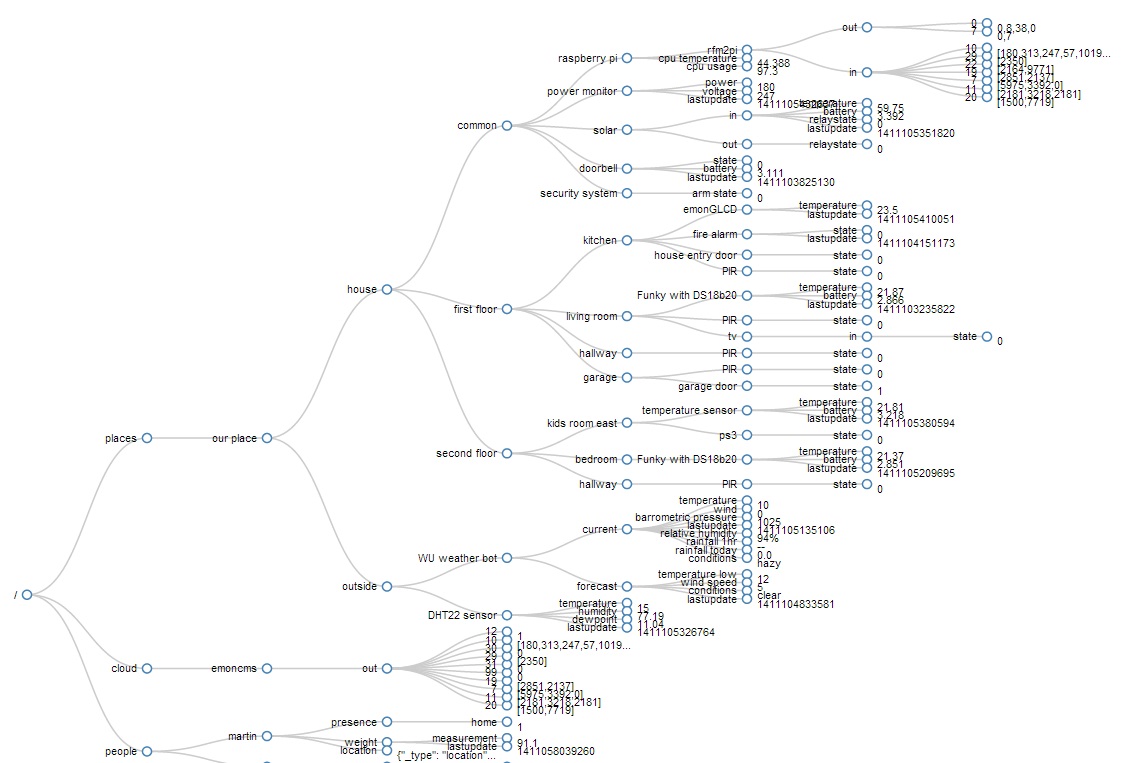
Redesigning my MQTT topic tree structure – research, Tinkerman’s article, and the layout I settled on for my home automation.
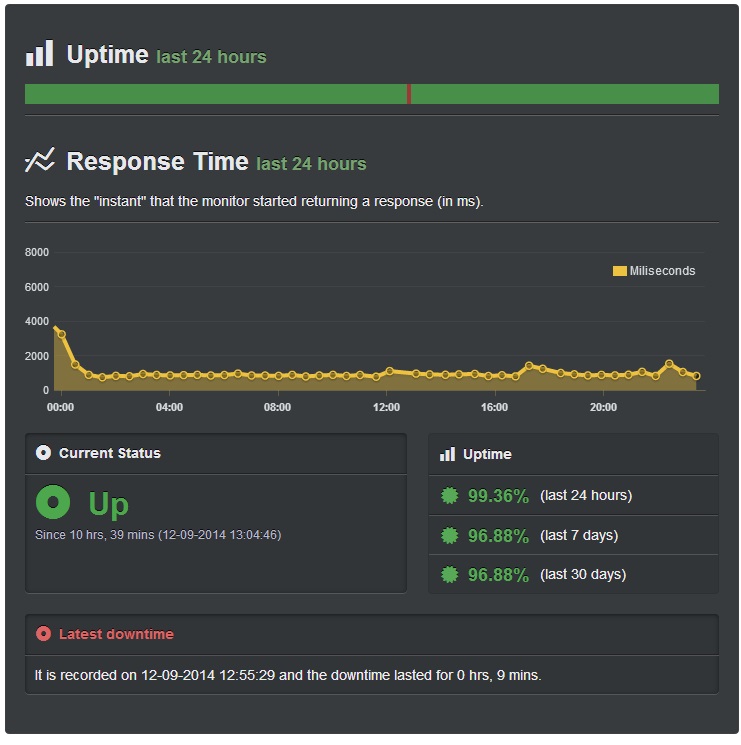
Free uptime monitoring for my home automation system with UptimeRobot – a notification when the house goes dark, whatever the reason.

Dyn and No-IP got too commercial, so I moved my dynamic DNS to DuckDNS with a small Node-RED updater flow.

Improving my home automation system’s data quality – filtering the garbage readings that quietly break downstream logic.
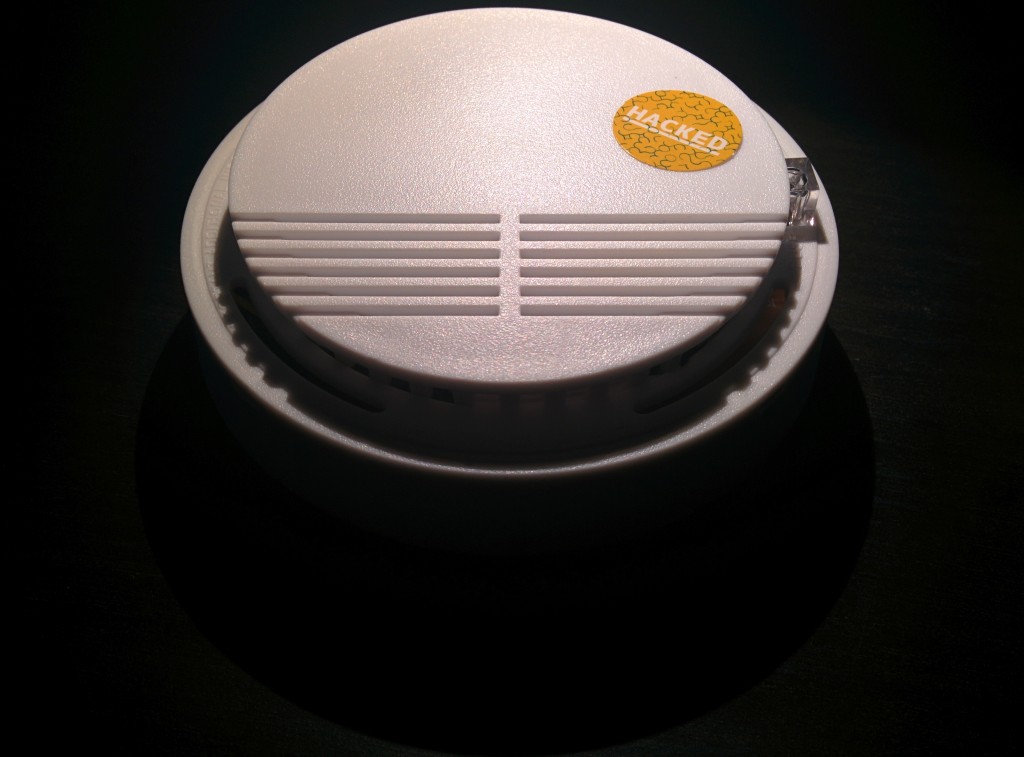
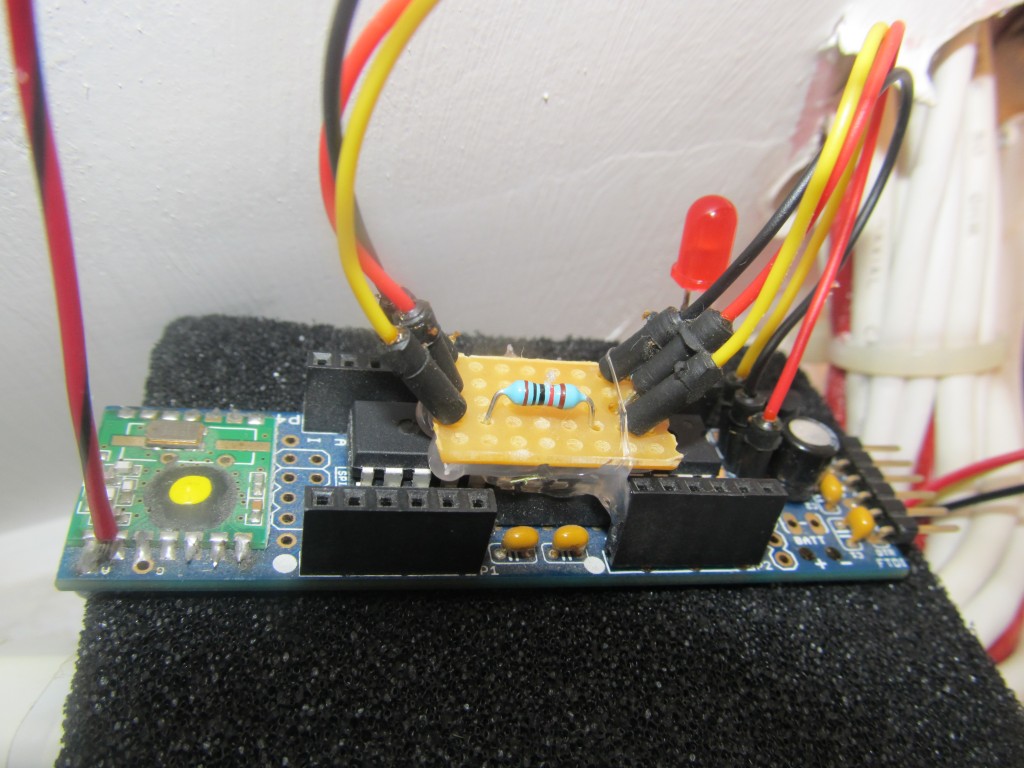
Wiring a 9V smoke alarm into my home automation system with a Funky – SMS, Pushbullet and email alerts when it goes off.
Second attempt at decoding the Paradox alarm keypad bus – reading alarm state, PIRs and door/window sensors for home automation use.
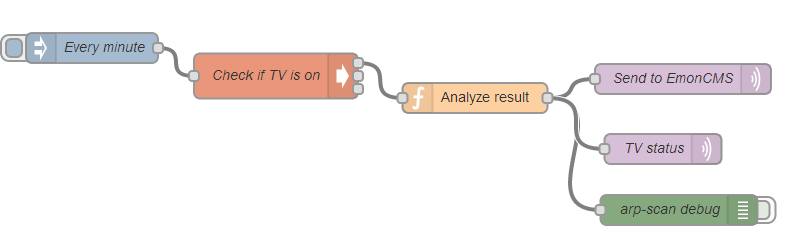
Measuring my son’s actual TV time by logging the TV’s power draw to emonCMS – house rules are easier to enforce with data.
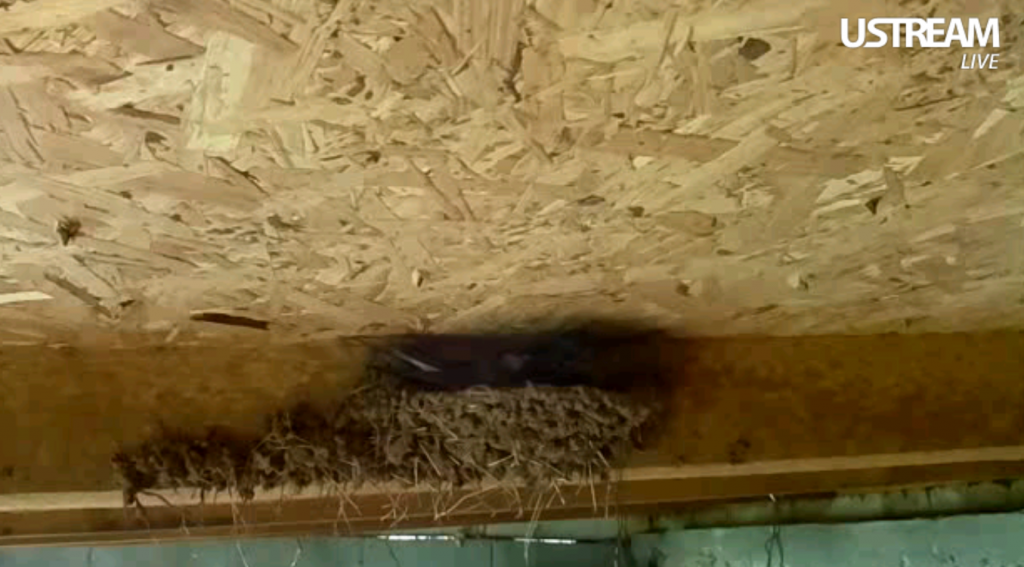
Live streaming the house martin nest to USTREAM.TV from a Raspberry Pi – motion-triggered stills were not enough.
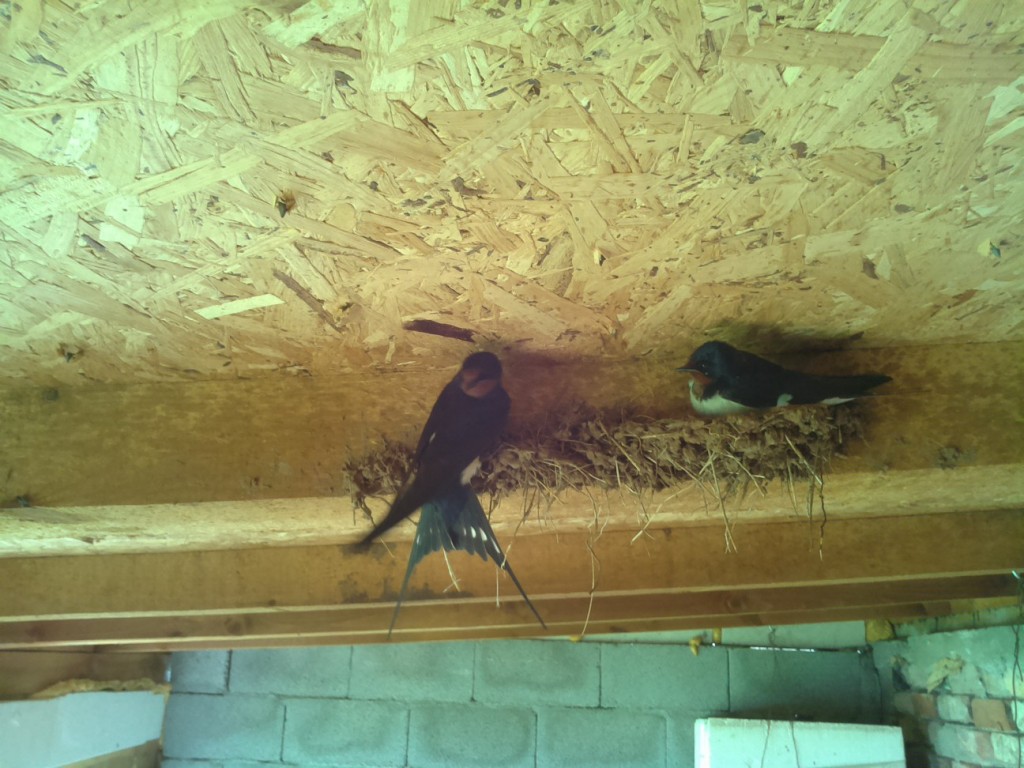
House martins are nesting in my unfinished tool shack, so the kids and I put up a nest camera instead of peeking in.
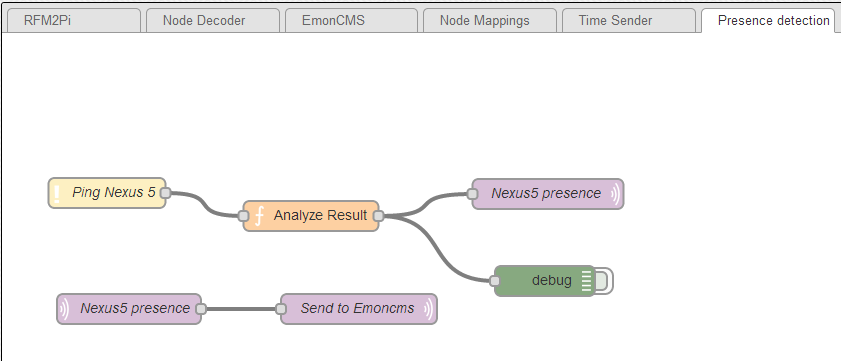
Detecting who’s home by pinging the phones’ static DHCP leases from Node-RED – 15 minutes of work and pretty reliable presence detection.
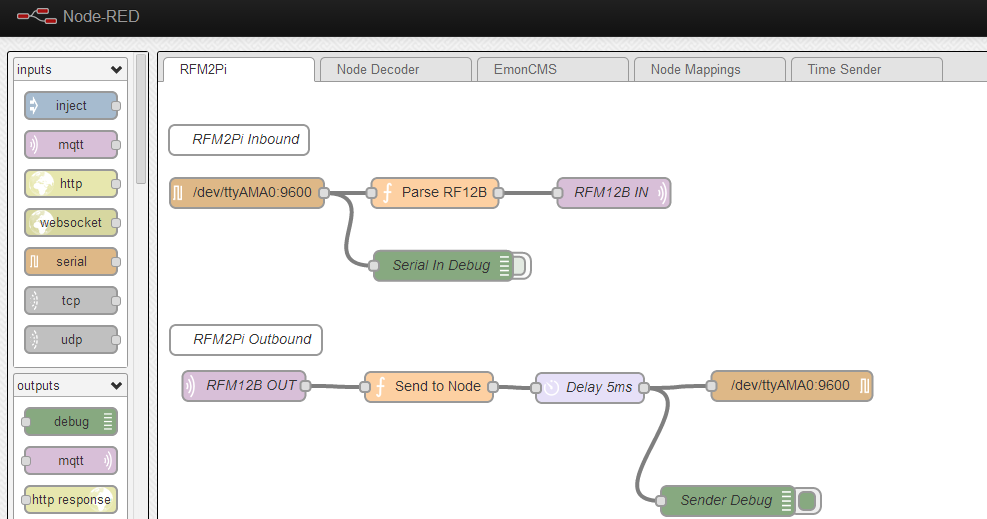
Replacing my python gateway script with Node-RED: RFM2Pi packets decoded and forwarded to emonCMS in a visual, easy to extend flow.
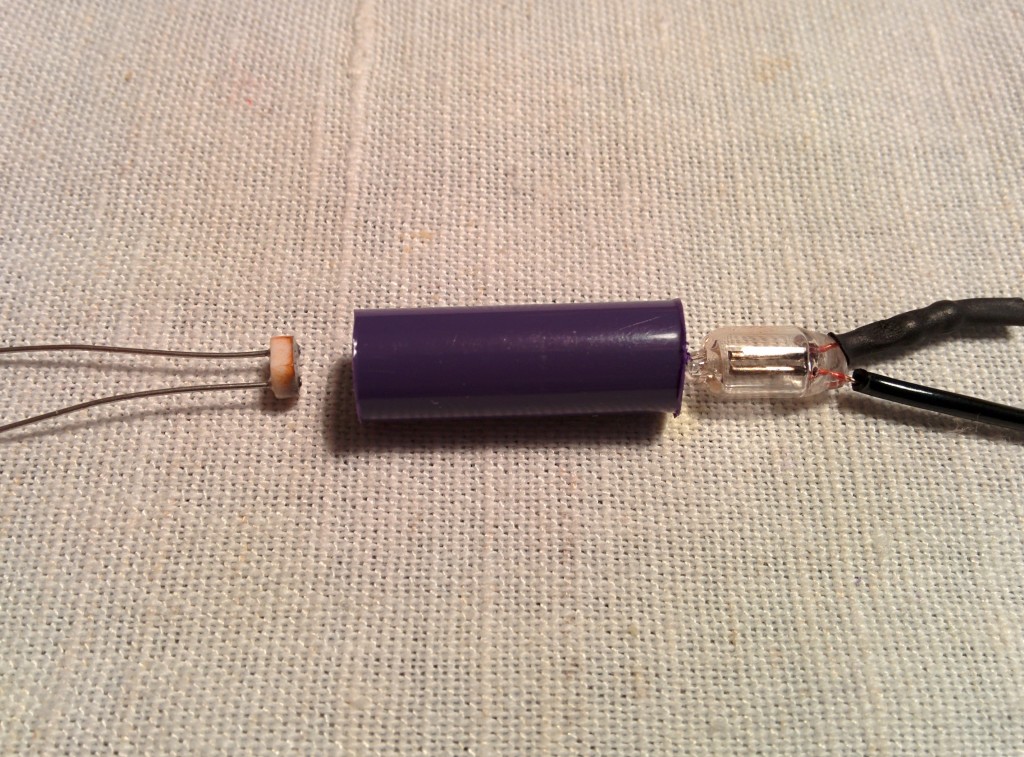
Detecting AC presence with a NE2 neon lamp and an LDR – a low power alternative to my non-contact detection experiments.
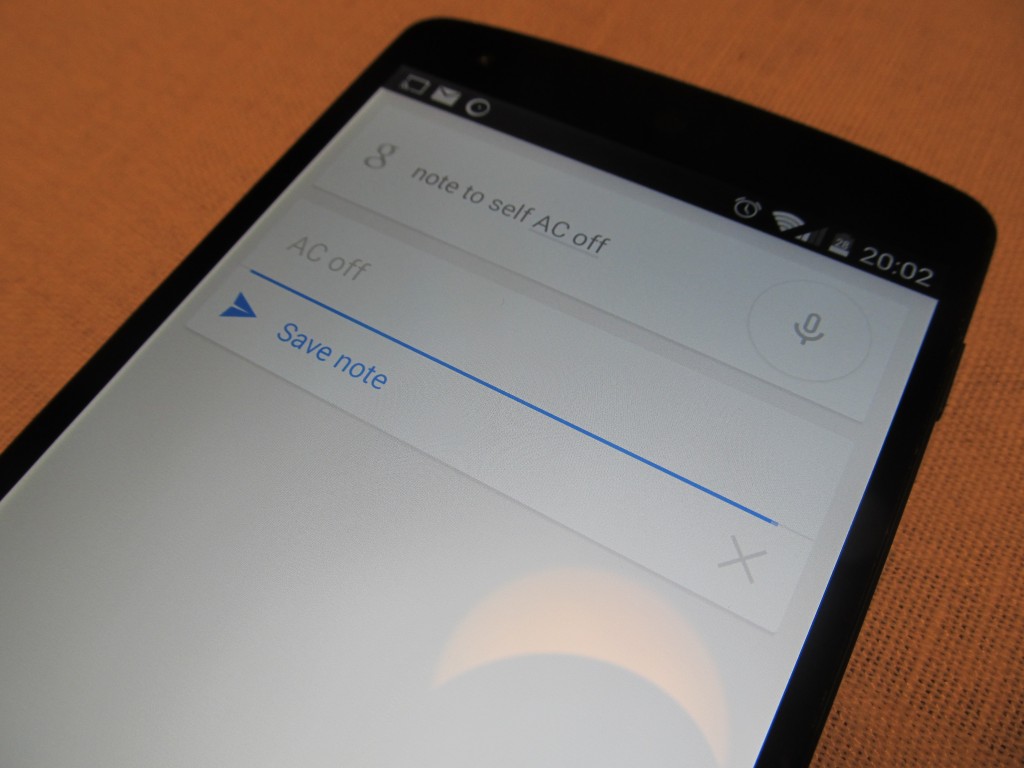
Voice controlling the TV and heat pump with a smartphone and a Raspberry Pi – I’m no voice control fan, but this one earns its keep.
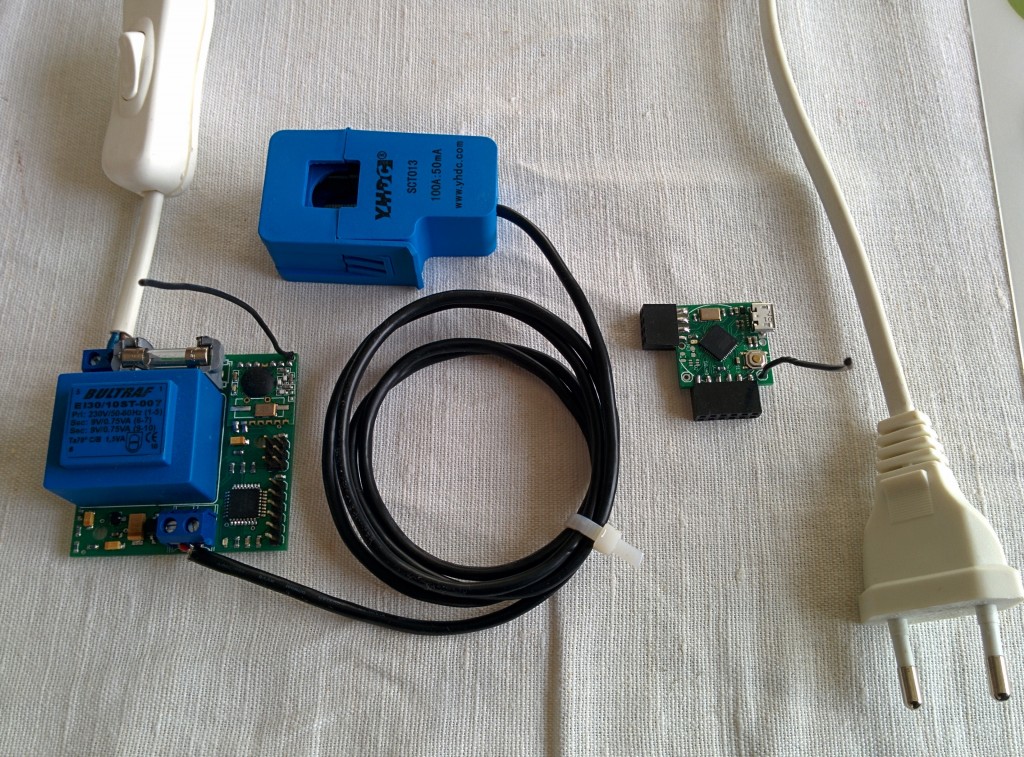
Funky v3 and YAPM Eagle design files are now on github – a tiny low power wireless Leonardo and a cheap power monitor, free to build.
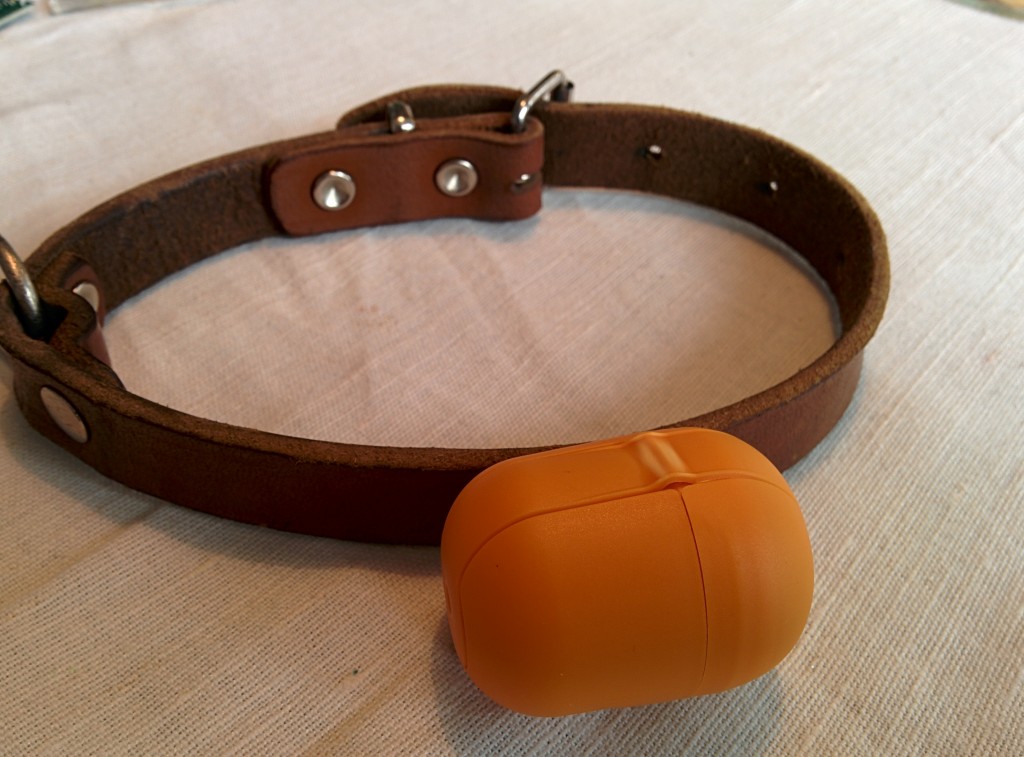
My dog turns out to be an excellent motion sensor – correlating her barking on the DVR with alarm events, 25km from Sofia.
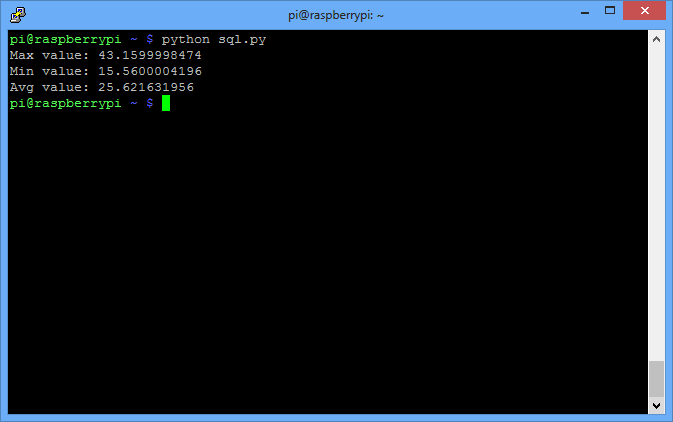
In-memory SQL over emonCMS feeds – min/max/avg analysis without touching the underlying database directly.