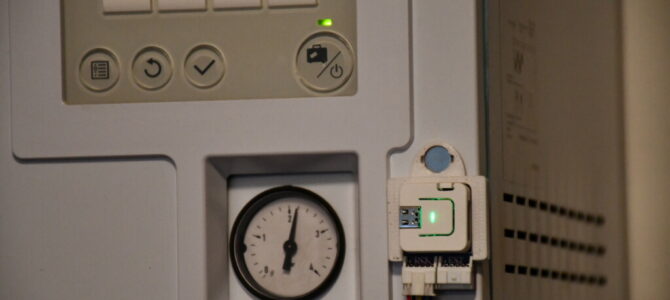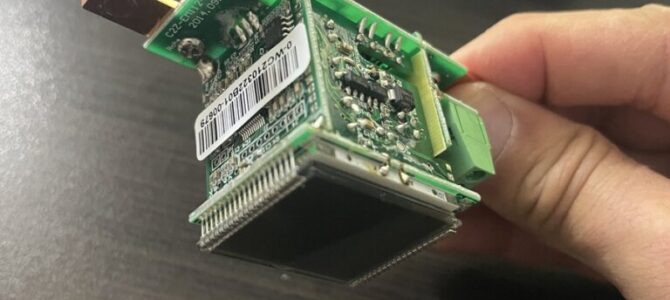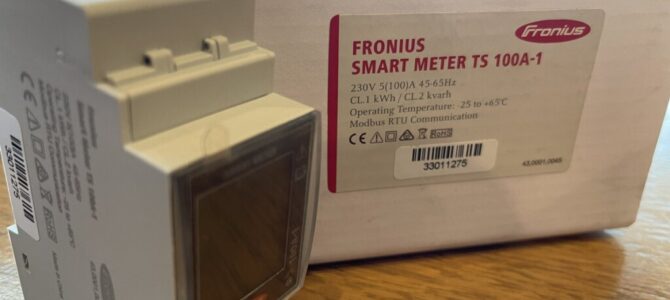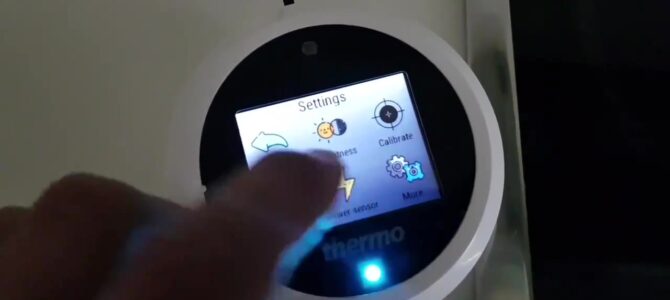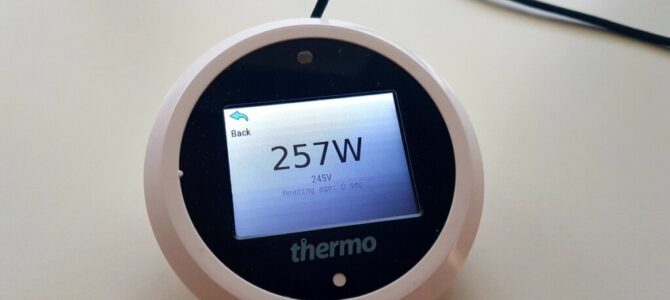
Fronius smart meter died at 4am today, leaving the solar system inoperable. No obvious signs of damage. Luckily I had a spare and replaced it, but wondering what happened..
Fronius smart meter died at 4am today


Fronius smart meter died at 4am today, leaving the solar system inoperable. No obvious signs of damage. Luckily I had a spare and replaced it, but wondering what happened..

My DEV.BG tech talk on making the heat pump, the PV system and Home Assistant work together β slides and video, in Bulgarian.

Why rooftop solar is a hard sell in Bulgaria and how I did it anyway β the full story of my PV installation, from permits to first kWh.

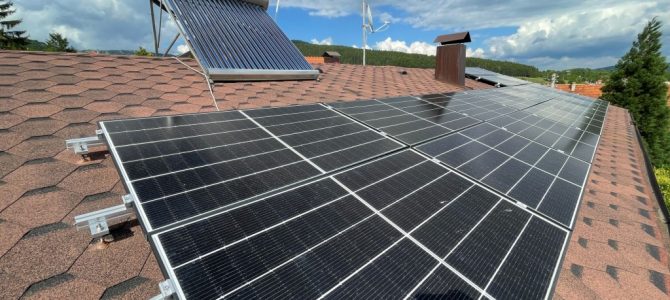
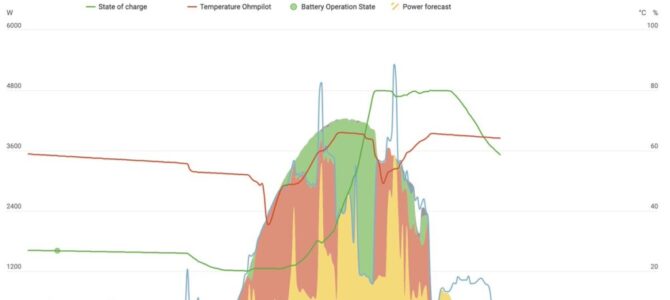
Impressive PV production today considering it is November. Managed to squeeze out 25kWh or 86% of our consumption today is self-generated.

Received the Fronius Smart Meter, it limits the power export of my yet-to-build solar roof installation. Exporting power here is a bureaucratic hell, I will not subject myself to it by zeroing on the export. The inverter itself, a @froniussolar Primo GEN24 5kW due in 3 months π

Having an interesting discussion with @LowPowerLab's Felix on optimizing his RFM69 library for further power consumption savings, check it out here: https://lowpowerlab.com/forum/rf-range-antennas-rfm69-library/rfm69-driver-interrupt-based-wait-for-packetsent/

Added a power consumption to color indicator as a long distance visual reminder to reduce power usage. Quite effective by the way π

Updated a 2014 wireless power consumption monitor project of mine to be compatible with my latest generation project hardware and backend #homeautomation #IoT #esp32

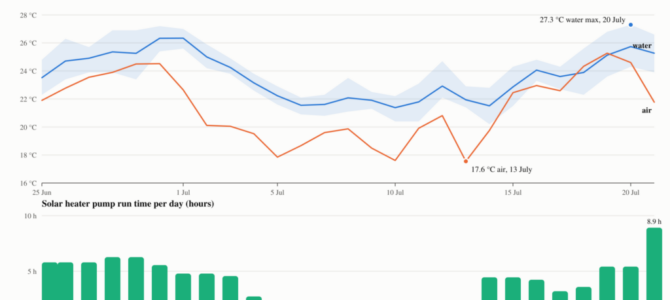
A DIY solar heater for our 13mΒ³ Bestway pool out of 16mm LDPE pipe β getting the water past the 25Β°C mark more days of the year.

Upgrading the dumb fan coil thermostats on our DIY heat pump system β heat/cool, target temperature and fan speed, now connected.

Tweeting my house’s power usage as sparkblocks β unicode sparklines squeeze a full day’s trend into a single tweet.

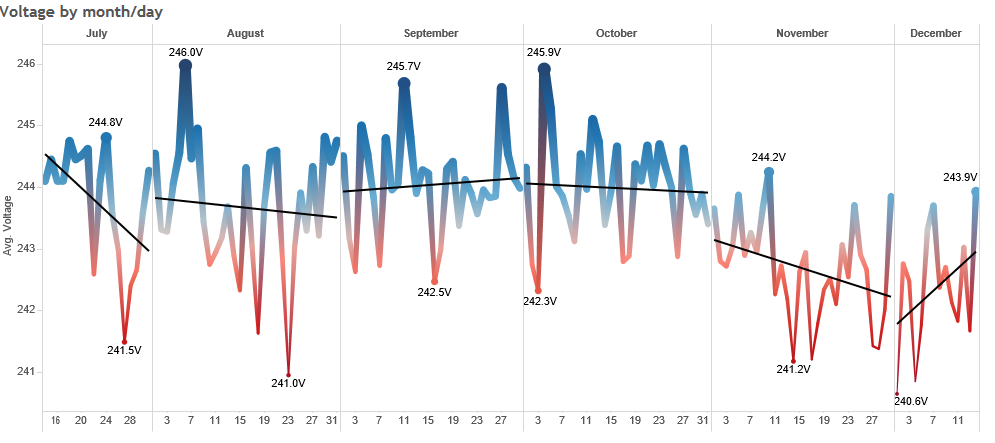
405835 AC mains voltage measurements later β analyzing six months of logging the unusually high voltage at my house.

Hot water tank controller part 2: code finalized, a week of runtime, and a small HTML page driving it through an emoncms.org feed.

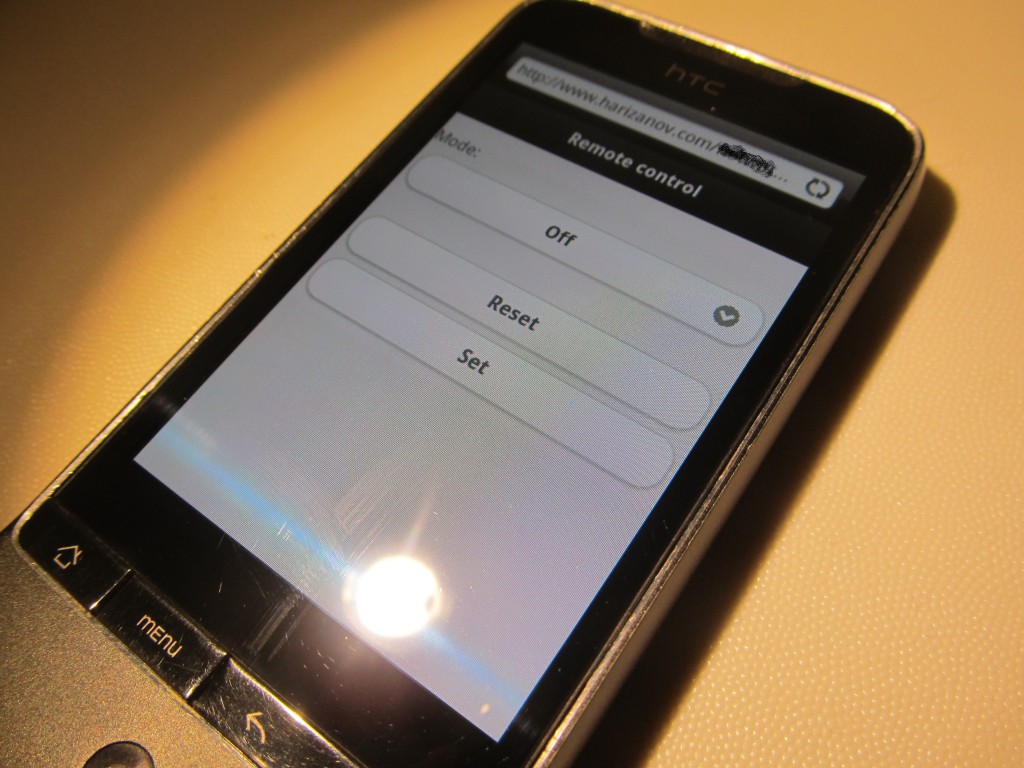
A smart IoT controller for my solar hot water tank β mode switching (manual/auto/anti-freeze) driven by an emonCMS feed.

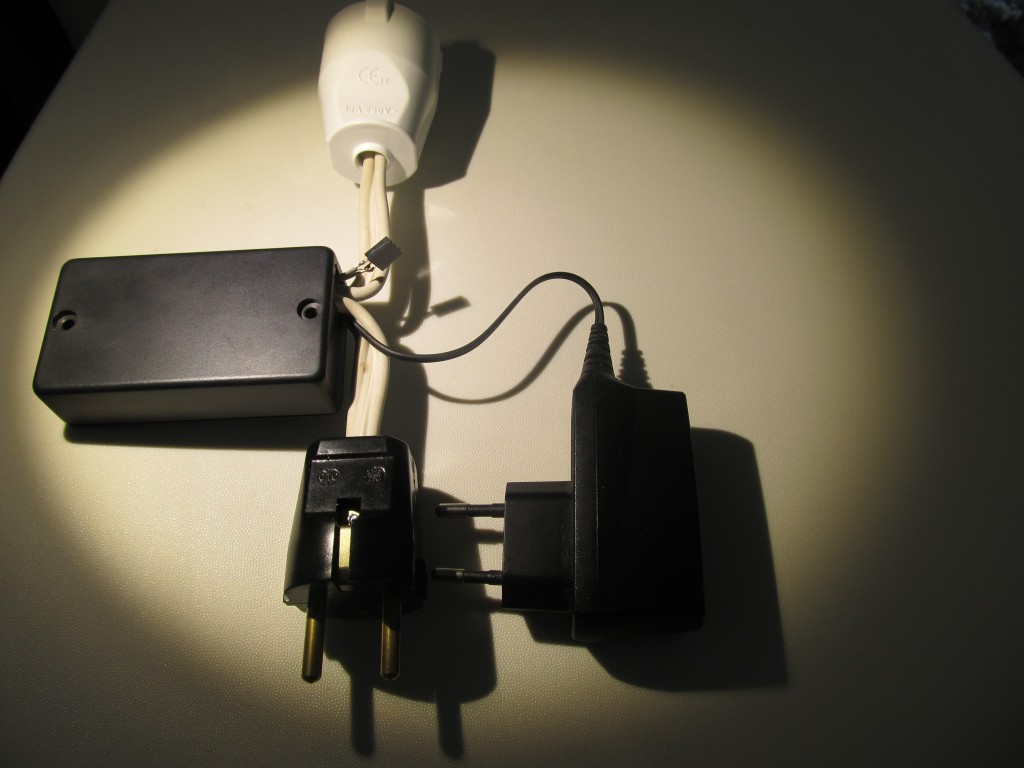
Yet another power monitor β this one runs off a small dual-winding transformer that both powers the circuit and senses voltage.

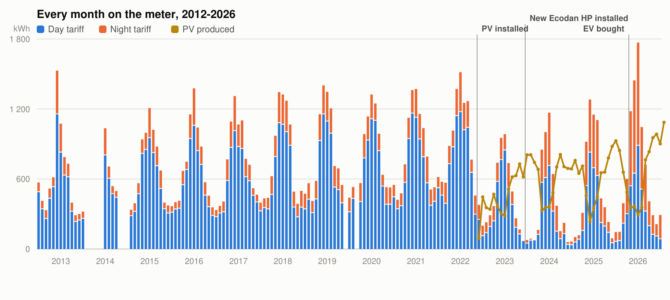
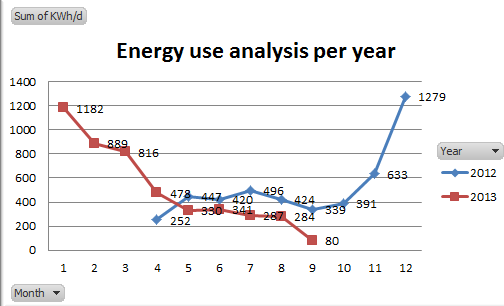
Comparing this year’s electricity usage against last year’s β checking whether all my energy use optimizations actually show in the kWh.

Domestic hot water nearly for free β my hacked Daikin air-to-water heat pump captures heat in both heating and cooling modes.

Every ΞΌA counts on battery powered wireless nodes β the hardware and software tricks I use to keep sleep current microscopic.
My house sits second to the transformer and the multimeter agrees with the cheap one: AC mains voltage is high. Time to log it properly.
A cheap DIY power monitor for my father β SCT-013-000 current transformer plus OpenEnergyMonitor resources, momentary and accumulated kWh.
Scoping the nRF24L01+ during transmissions to measure the real power footprint of my dirt cheap low power wireless sensor node.
Power saving techniques on the ATmega32U4 β getting the Funky 2 close to the ATtiny84’s sleep currents for long battery life.
Analyzing our hot water usage patterns from heat pump telemetry β no flow meter, just data I was already logging to emonCMS.
Building and evaluating the emonGLCD that Glyn from OpenEnergyMonitor kindly sent over β working within the hour.
My Raspberry Pi knows where I am β phone location feeding home automation ideas like easing the heating when I’m far from home.
Researching ultra low power sources for the Funky β including harvesting from a CT clamped around a live power line.
Low power receiver options for the RFM12B β how a battery node can listen for commands without keeping the radio always on.
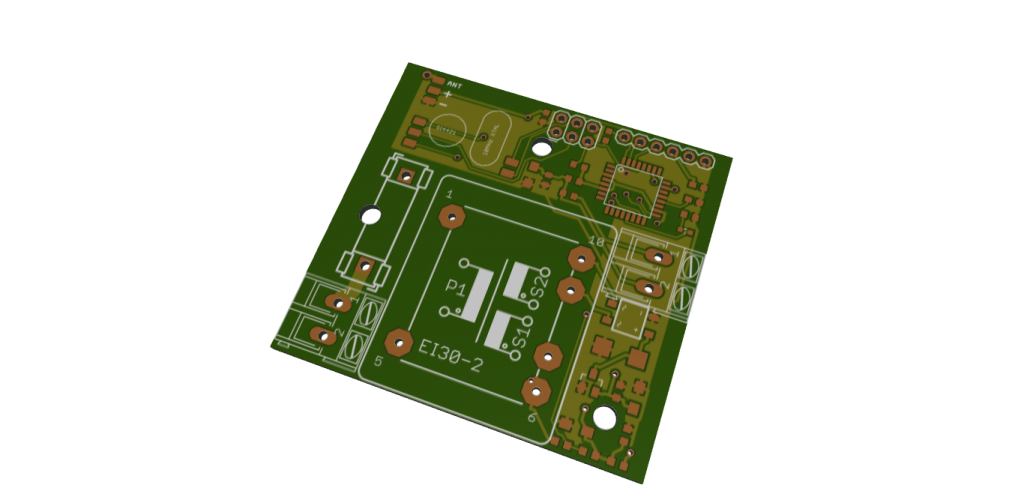
The e-meter PCB arrived and is coming together β a wrong 2×8 header footprint and two missing parts, otherwise looking good.
Using the Funky’s LTC3525 boost regulator backwards β a steady 3.33V from higher, sagging input voltages.
Statistics from my 440 Euro 220l evacuated tube solar water heater β what the self-installed rooftop system actually delivers.
What does a DIY power monitoring system really cost, and how accurate is it? A power supply block with ADCs, inspired by Dave Berkeley.
The SD card was ruining TinySensor’s coin cell battery budget β measuring the sleep current problem and the fix.