Prototype of RF fireduino 🙂 #RFM69 #arduino #IoT
Prototype of RF fireduino
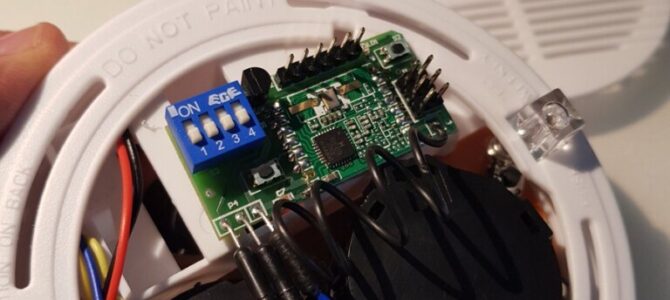
Prototype of RF fireduino 🙂 #RFM69 #arduino #IoT
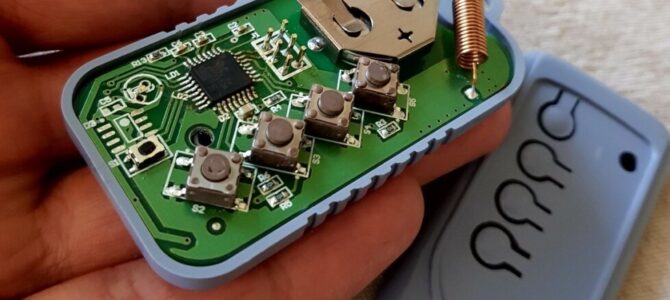
Making good progress on RFM69 keyfob project, already planning for v2 PCB
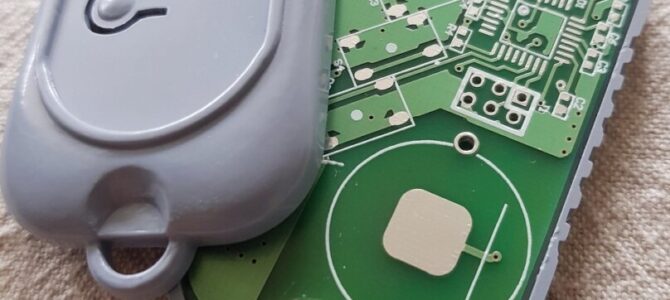
Secure #IoT keyfob project PCB just arrived
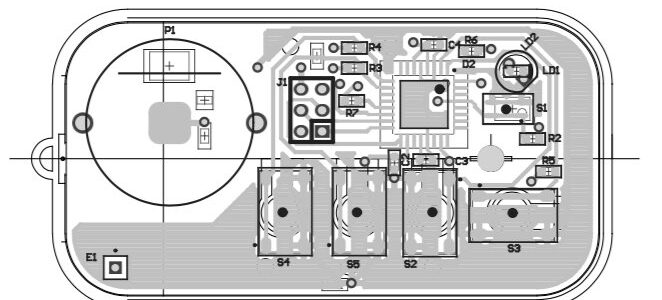
Working on a pretty secure keyfob for an #IoT project using atsha204 and RFM69
I will be doing a tech session on "#Security, Big Data and other challenges to the #IoT" at @ISTA_Conference 2017 https://www.istacon.org/Sessions/Session/12DCE70C-7085-4499-87DC-6D2954571FD5

Teardown of a 4ch #IoT relay board w/ power metering. Lack of galvanic isolation + narrow shared 40A live PCB trace makes me raise brows
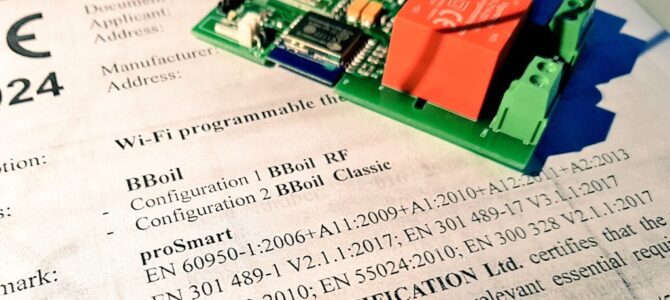
Certification for the bboil #IoT thermostat project is completed. What an experience! #esp8266 https://bboilrf.com
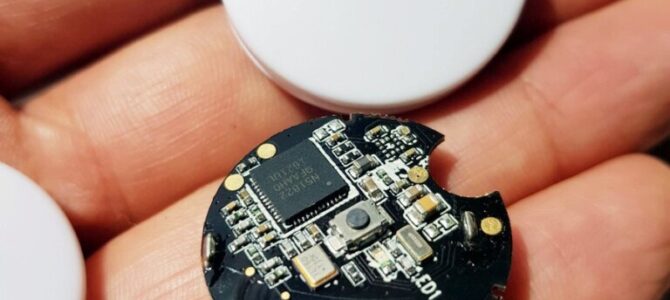
Got some BLE beacons to fiddle with. Part of BLE beacon to MQTT #esp32 #IoT project
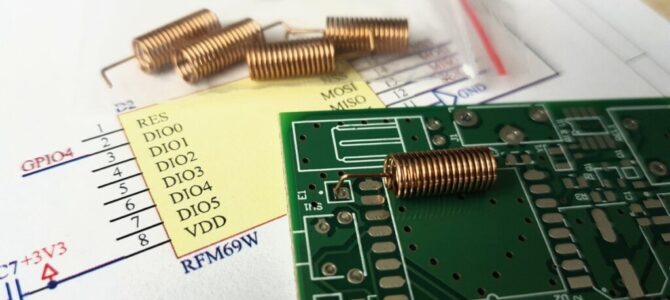
Testing 433Mhz coiled spring antennas on rfm69
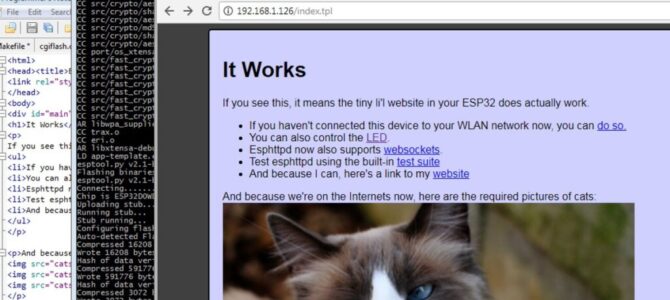
Feeding the internet with even more cat images via @SpritesMods's esphttpd running on #ESP32 esp-idf #IoT
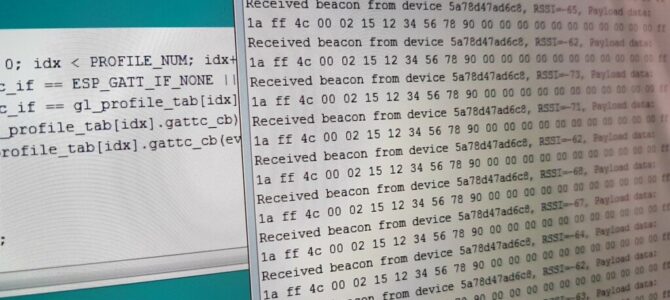
#ESP32 BLE iBeacon to #MQTT proof of concept bridge project.. #IoT
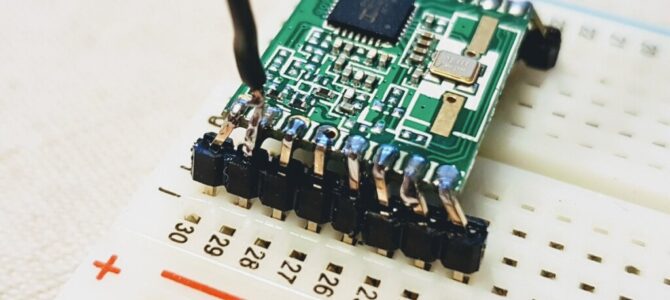
Needed to do quick and dirty PoC test using RFM69 on a breadboard,2mm pich adjusted to 2.54mm
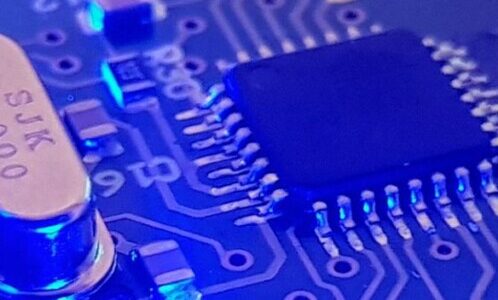
Prototype bring-up sucess
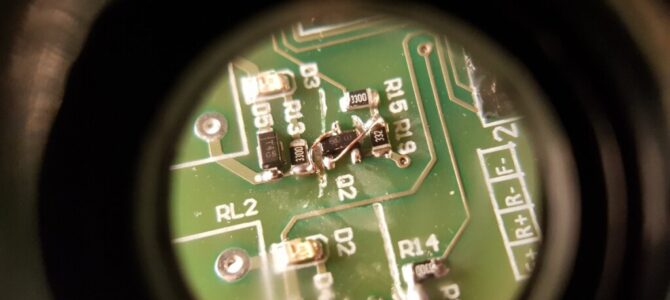
Rewiring messed up SMD connections on prototype board
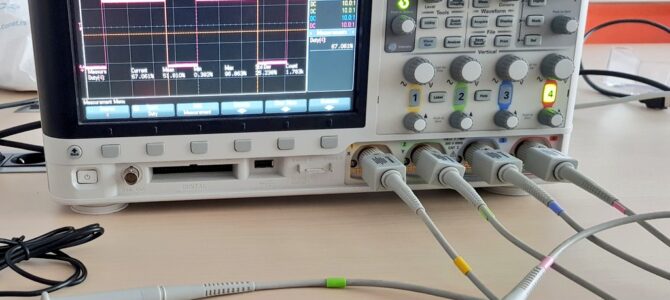
Got my hands on a @Agilent DSO-X3034A for few hours today, lovely piece of equipment other than that you have to sell a kidney to buy one.

Did an #IoT tech talk at DXC Technology (HPE)
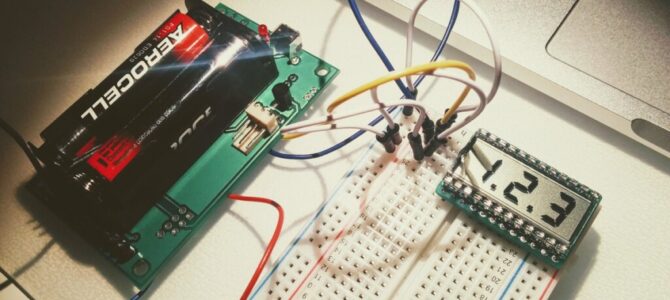
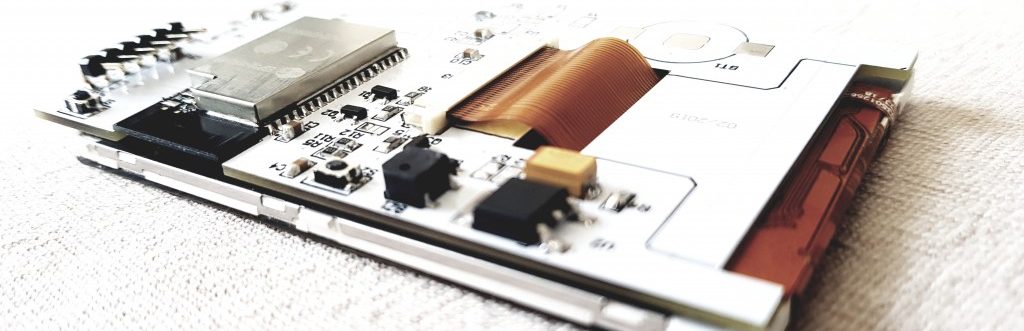
Working prototype of ultra low power (20 uA) LCD display for battery operated wireless temperature #IoT node
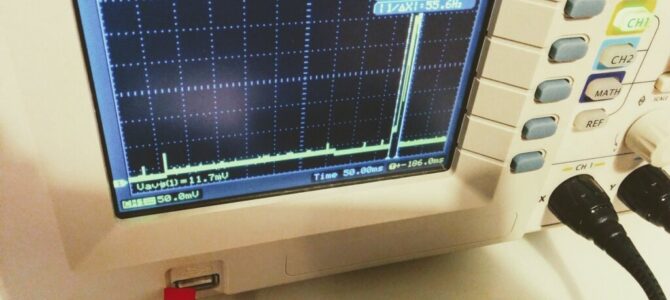
Heavily revised my old battery operated wireless temperature sensor node code, achieved 15% lower current consumption footprint.. #IoT
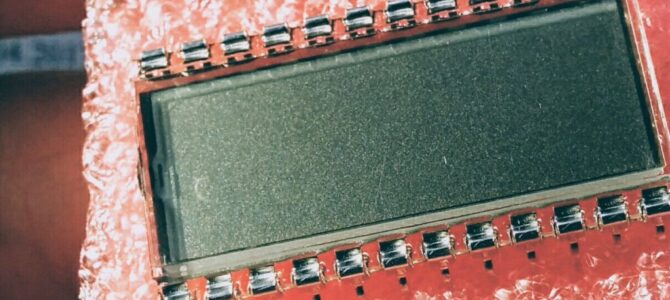
Working on ultra low power status display for battery operated wireless temperature sensor #IoT
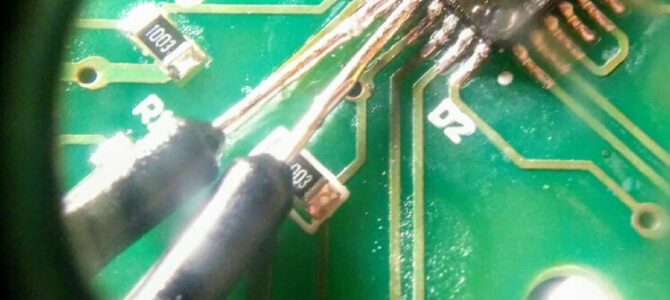
I2C retrofit 😉
Recording of my "#IoT startup" tech talk at ISTA conference https://www.youtube.com/watch?v=gHo0Sgn_E7o

Announcing proSmart – a new company I co-founded to design and develop IoT home and industrial automation solutions.

Ending the twice-a-year clock fiddling: automatic DST adjustment for my microcontroller projects, and why DST barely saves energy anyway.
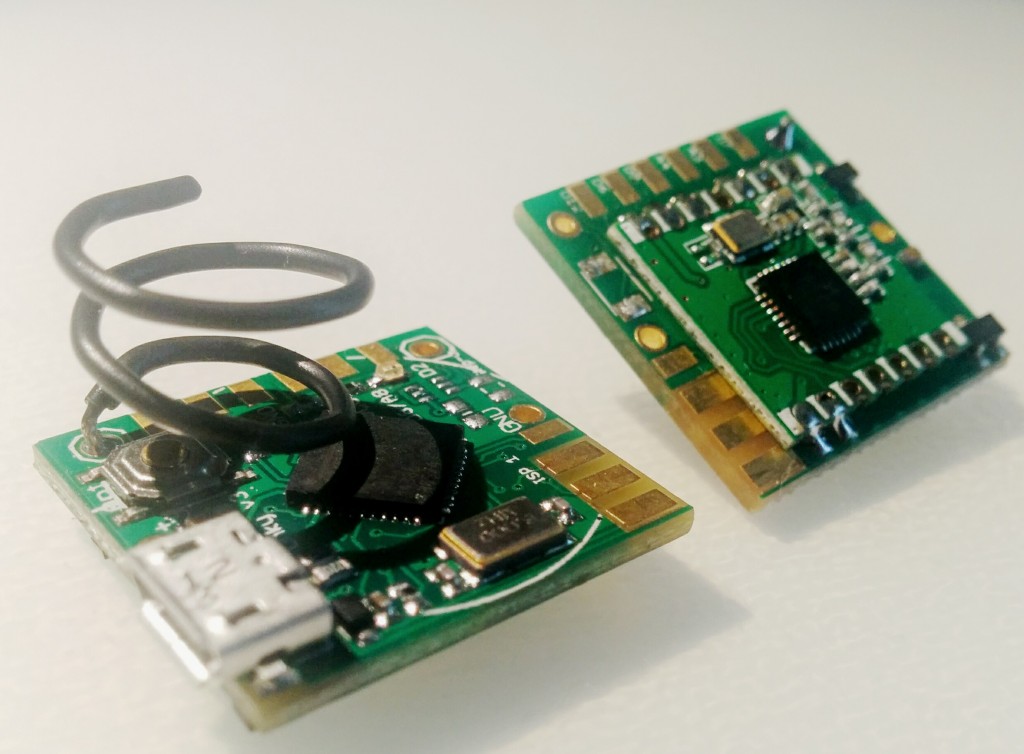
FOTA for the ATmega32U4 + RFM69 without external flash – the dual-bank trick that Moteino solves with a flash chip, done without one.
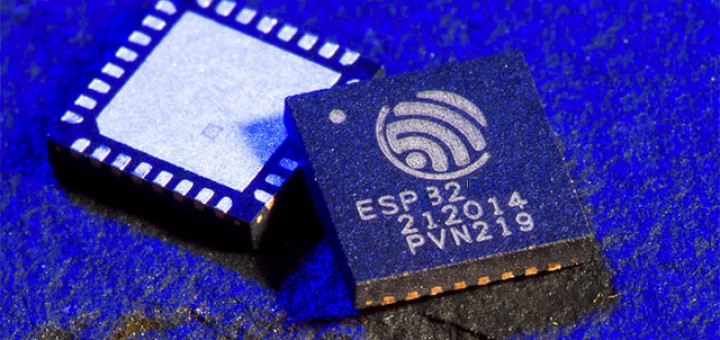
First look at the ESP32: I got one of the 200 early beta boards of Espressif’s ESP8266 big brother, here are the specs and impressions.
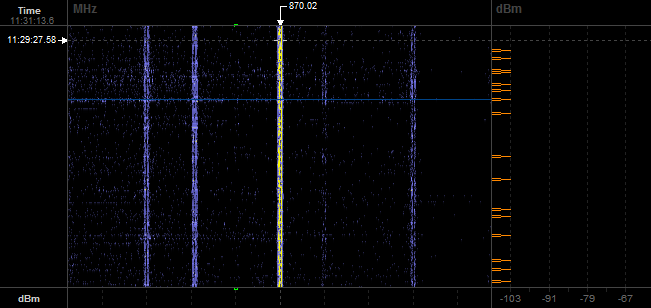
Poor man’s spectrum analysis with the RFM12B – scanning the 868MHz band to check how noisy my chosen channel really is.
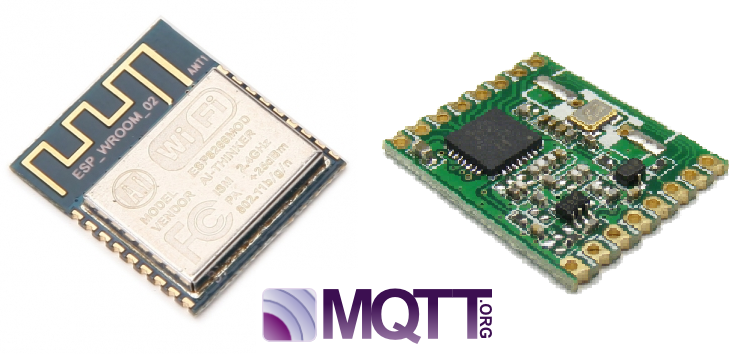
An RFM69 to MQTT gateway on the ESP8266 – Andrey Balarev and I wrote the missing RFM69 driver to bridge sub-GHz nodes to Wi-Fi.

Reaching a headless IoT device after DHCP: local hostnames with mDNS/NetBIOS instead of hunting IP addresses in the router UI.

The initial setup problem: how to get an IoT product onto the user’s Wi-Fi without killing their enthusiasm – options compared.

Building my own cloud based version control tool – GitHub is great until you want your code history on infrastructure you control.

After the DDoS and daily hack attempts, this blog now runs on a free signed SSL certificate – how I set it up.

A DDoS attack is hammering this blog with thousands of HTTP requests per minute – what the hosting provider offered and what I did instead.