My Beninca BULL 5M sliding gate is now on the IoT – ESP8266 + MQTT lets me open, close and check the gate state from my phone.
IoT sliding door opener
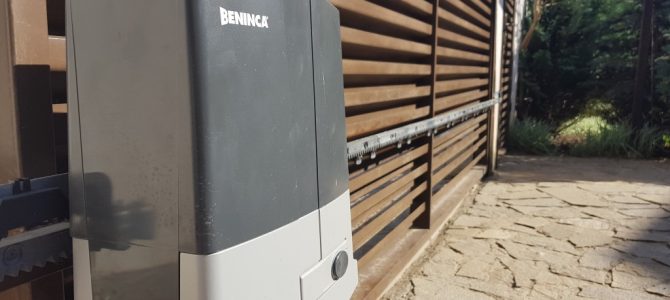
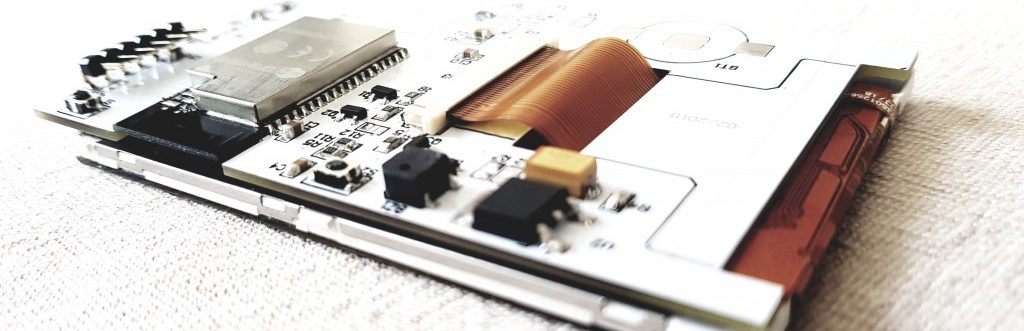
My Beninca BULL 5M sliding gate is now on the IoT – ESP8266 + MQTT lets me open, close and check the gate state from my phone.
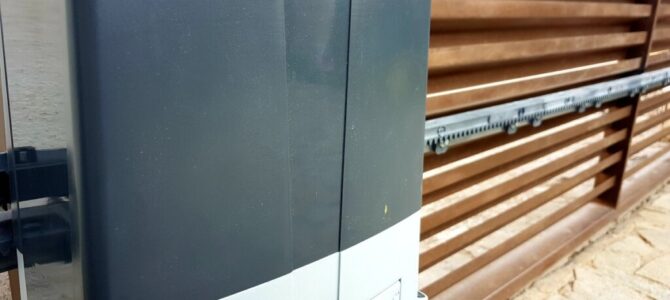
Installed a self-made esp8266 gate controller with magnetic switch status sensor, I can now open/close/read the statate of the gate from anywhere. #IoT #esp8266
Interesting http://esptool.py wrapper that lets you use RTS/CTS for #ESP8266 / #ESP32 auto-reset on firmware flashing instead of the usual RTS/DTR method. Saves a few components thus reducing project cost. Description and code here https://github.com/jimparis/esptool-ftdi
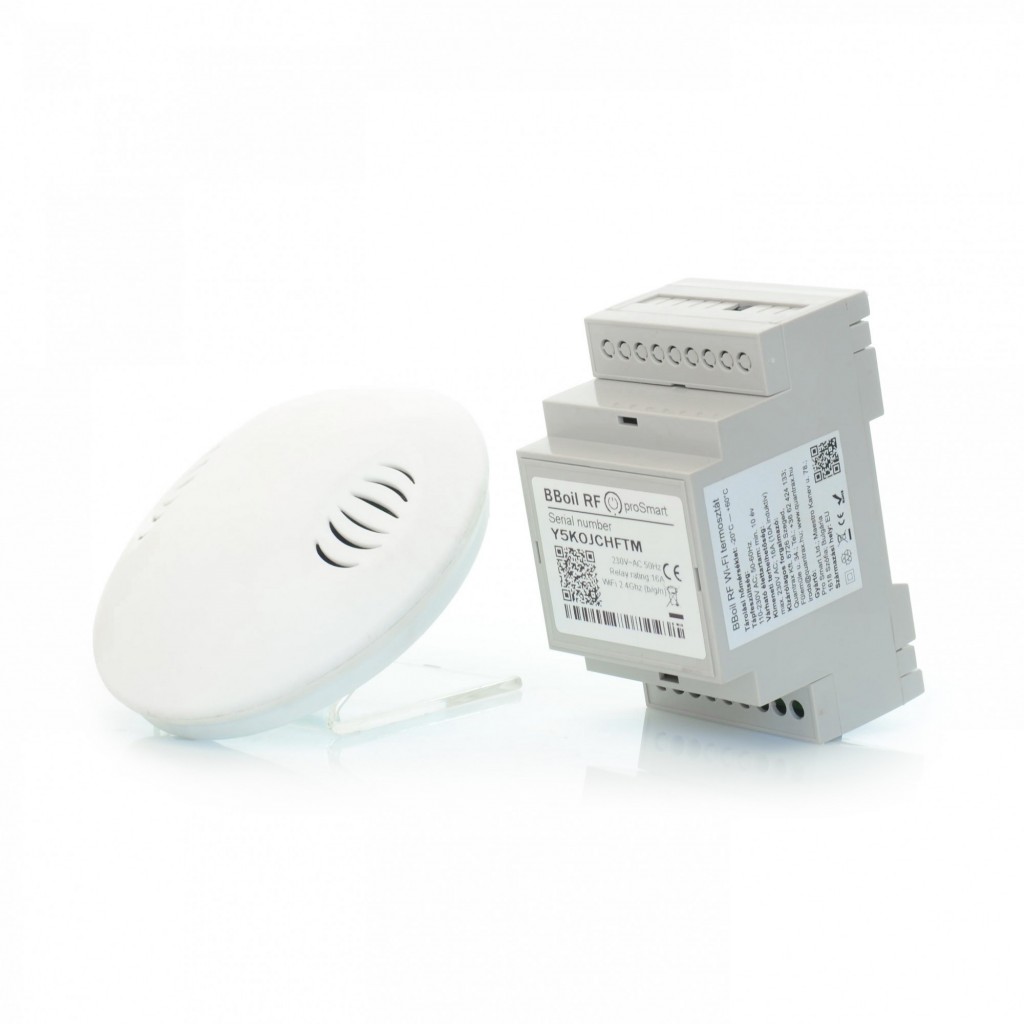
BBoilRF: my internet-connected relay actuator/gateway with battery powered wireless sensor support, designed primarily as a thermostat.
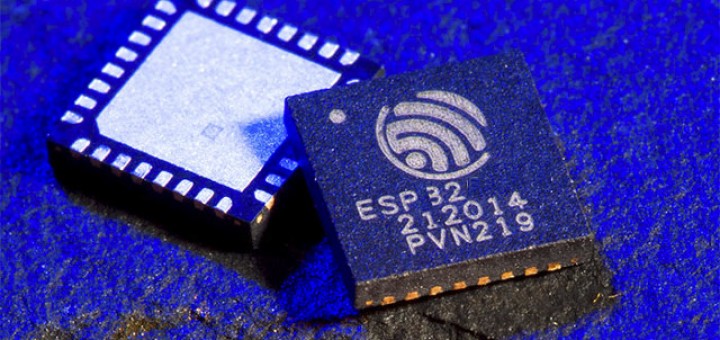
First look at the ESP32: I got one of the 200 early beta boards of Espressif’s ESP8266 big brother, here are the specs and impressions.
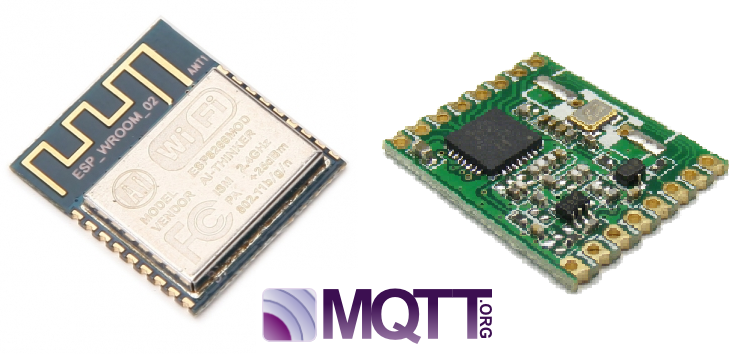
An RFM69 to MQTT gateway on the ESP8266 – Andrey Balarev and I wrote the missing RFM69 driver to bridge sub-GHz nodes to Wi-Fi.

Reaching a headless IoT device after DHCP: local hostnames with mDNS/NetBIOS instead of hunting IP addresses in the router UI.

The initial setup problem: how to get an IoT product onto the user’s Wi-Fi without killing their enthusiasm – options compared.

A tweeting ESP8266, no proxy service involved – the chip talks to Twitter’s API directly, SSL and all.

Firmware Over The Air (FOTA) for the ESP8266 – why every embedded project needs remote updates and how I implemented mine.
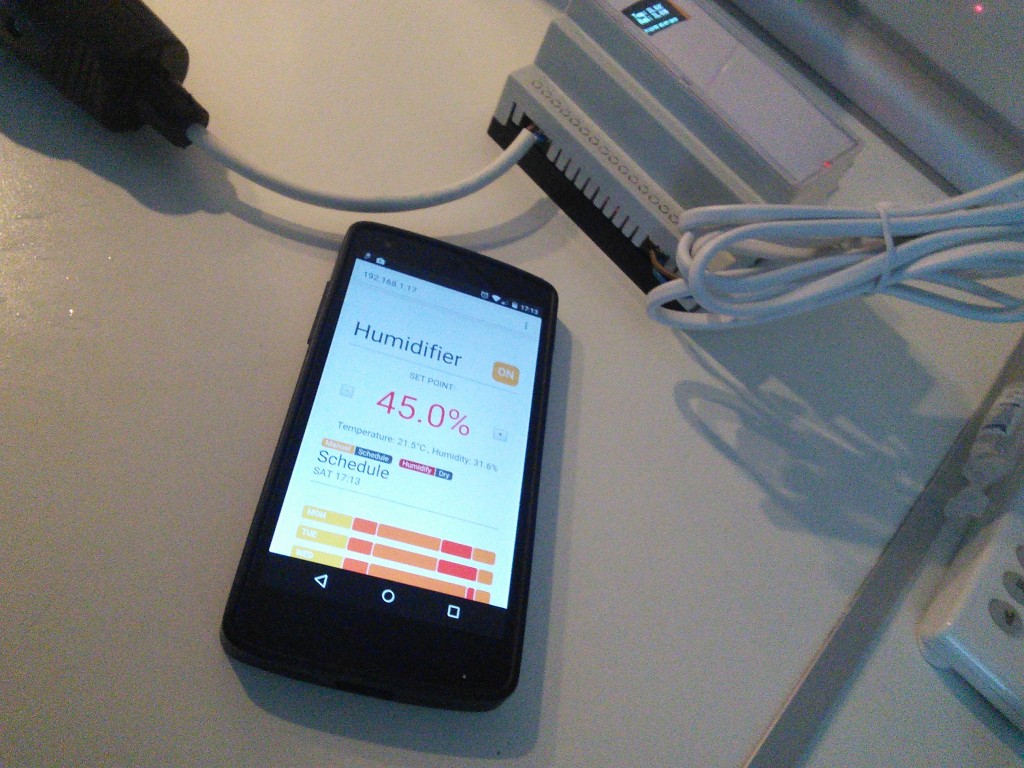
Fan-coil heating kept the house under 30% RH, so a cheap ultrasonic humidifier became a Wi-Fi humidistat: ESP8266 relay, DHT22, setpoint and schedule.
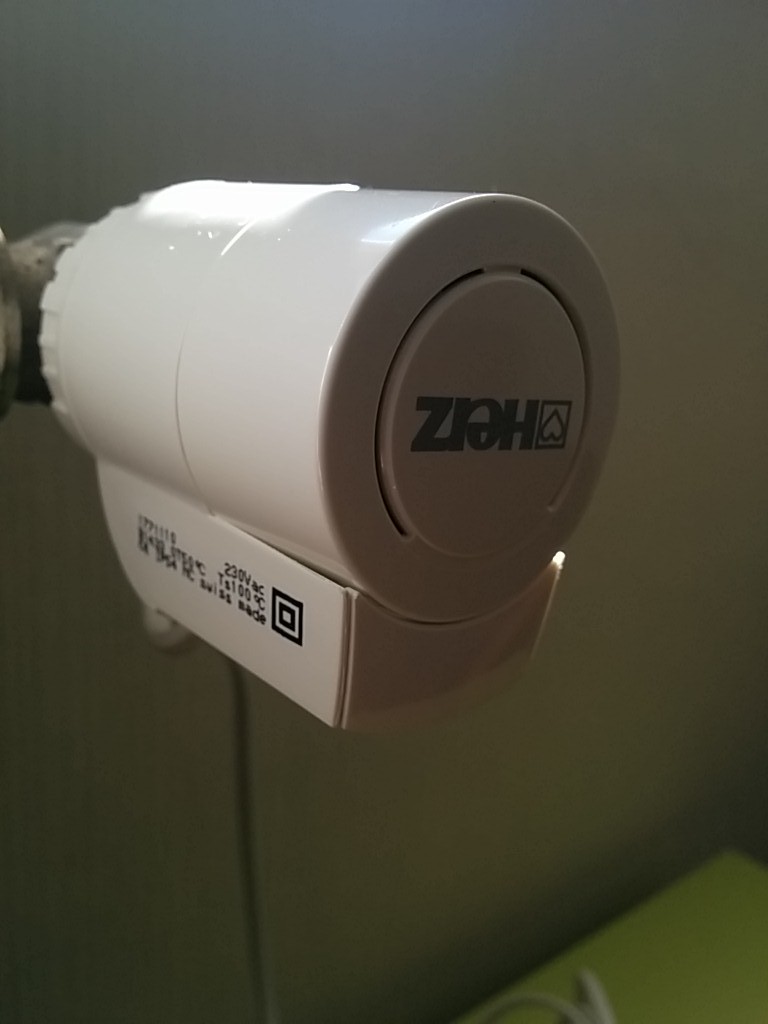
My WiFi thermostat with a weekly scheduler – why I swapped the SSRs for classical 8A relays and what changed on the board.
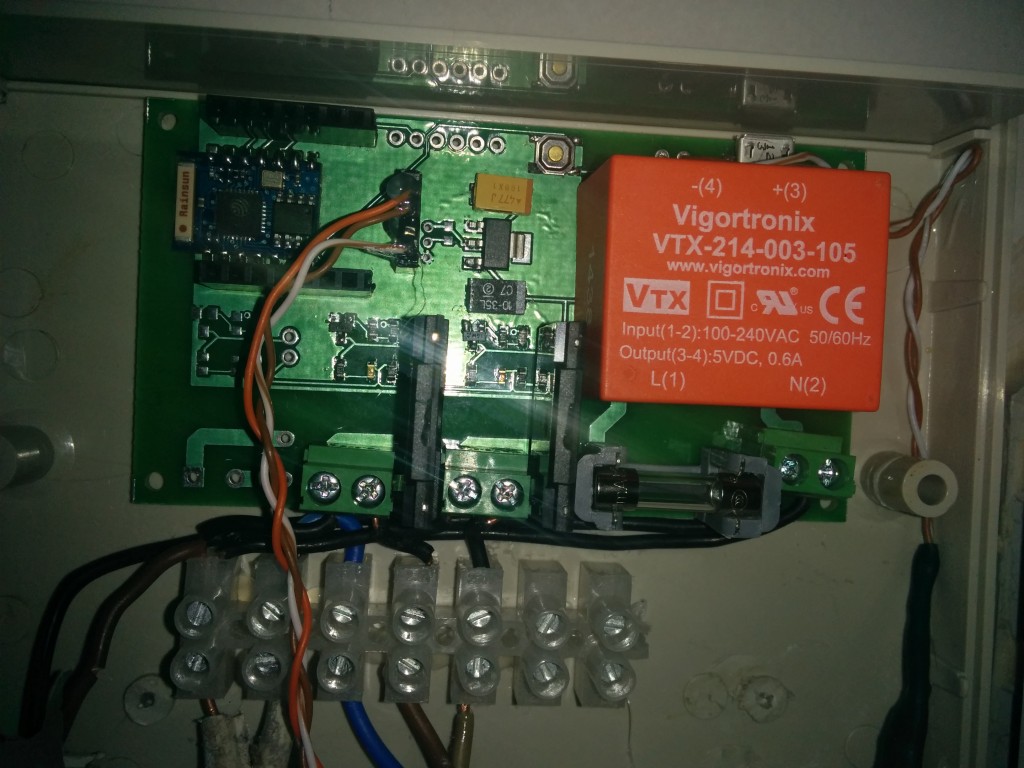
My ESP8266 relay board: three solid state relays, MQTT + HTTP API, DHT22/DS18B20 sensor support – an open WiFi IoT switching platform.
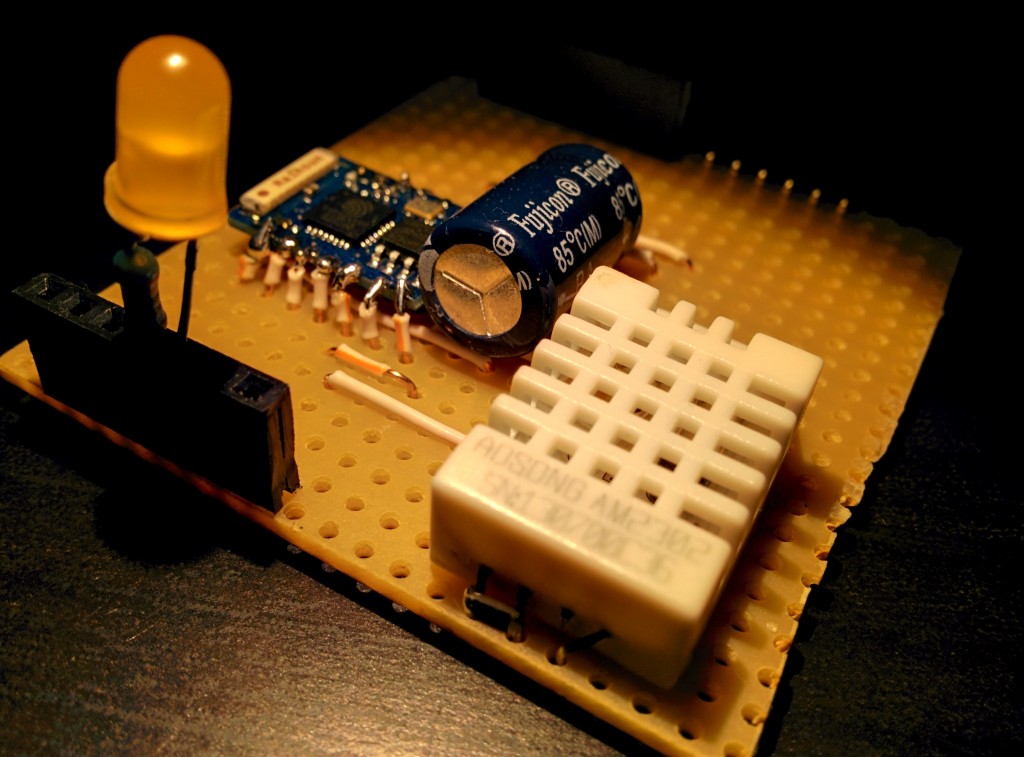
An early ESP8266 experiment: web server, LED control and DHT22 temperature/humidity readings on the $4.50 Wi-Fi chip that shook up DIY IoT.